2020年6月17日星期三

Brooks Ghost 13 Performance Review

What You Need To Know

  • Weighs 9.0 oz. (255 g) for a US M8.0
  • Extended DNA Loft from heel to forefoot
  • New engineered (and better-looking) mesh upper
  • If it ain’t broke and people are buying it, don’t fix it.
ADRIENNE: After running exclusively in Brooks for a number of years, I totally ignored them for a number more (sorry, Brooks, it’s not you, it’s me). I got back on the train when I started reviewing for BITR, and ever since, my opinions of their kicks have been all over the place. Most models, like the Launch and the DNA AMP models, feel nothing like they used to; then the Ghost 13 arrives at my doorstep. Not to give too much away too soon, but as soon as I slipped these bad boys on, it was like reconnecting with an old friend.
Across most brands, there is a model or two that seems to be struggling from an identity crisis: while still good in their own way, many models aren’t sure if they are for daily mileage, faster training, racing, or foot coddling. Some try to be all of the above, some are more successful than others. Then there’s the Ghost series– it is not one of those models. Long, long ago, it was an up-tempo trainer; however, it was quickly converted into a comfortable cruiser with plenty of cushioning. This is a shoe made to get daily miles in comfort, true to what I remember from years ago. It’s relatively simple in design and oh so smooth to run in.
Consistency is key to the Ghost lineup– subtle improvements from the lebron 17 result in an extension of DNA Loft foam from the heel running the length of the foot, and a more stylish (IMO), open-engineered Air Mesh upper. In the Glycerin 18, I wasn’t too thrilled with the use of DNA Loft and was on cushion overload. But for its more-nimble little brother, my somewhat Goldilocks-like preferences in cushioning were satisfied as impact got gobbled up in a virtually distraction-free, pleasant ride. I found myself reaching for the G13 over and over again as I put a good number of miles in them (all easy, plus strides).
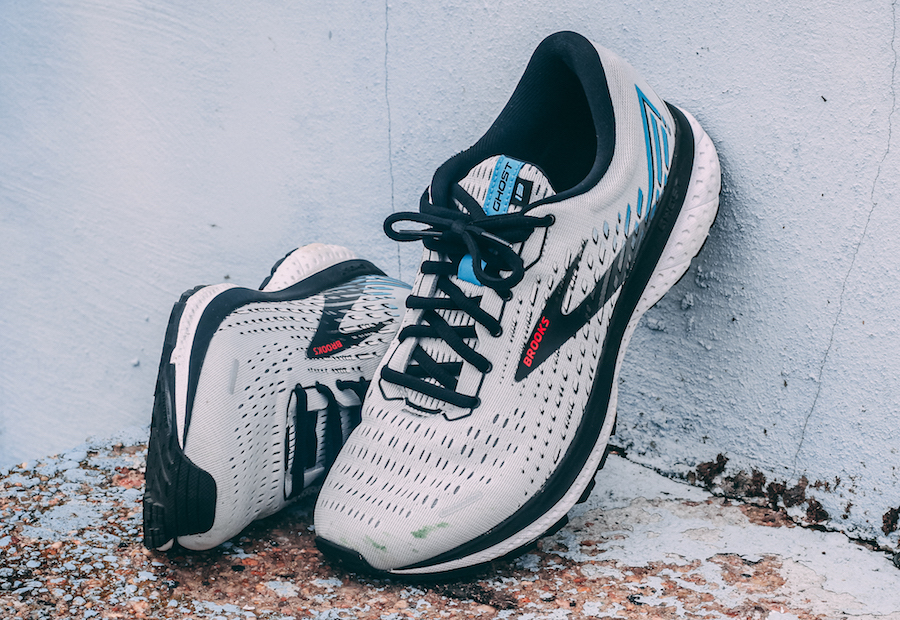
Underneath, the generous amount of co-molded EVAs of various densities is rubber and more rubber. Surprisingly, it doesn’t seem to weigh down the shoe and has some pop thanks to some injected air and deep forefoot flex grooves. I’m a sucker for some forefoot flex in a daily ride and Brooks delivers here! I also expect a good deal of life from these; after 30-ish miles there are no signs of wear. The Ghost 13 is finished with a fabulous feeling and fitting upper that has everything you need and nothing you don’t. The finished product is an 8.8 oz, 12 mm drop thing of smoothness.
How does the Ghost 13 ride? Smooth as silk for me. Just like the name implies, it basically disappeared on my foot. For a shoe on the bulky side, it seems to be barely there once you get going. The G13 is the ideal recovery run and easy run shoe today as it almost rewards slowing down. It won’t get in the way if you want to go faster, however, it seems most at home at my easy pace. And I am more than happy with that (I bet my coach is too).
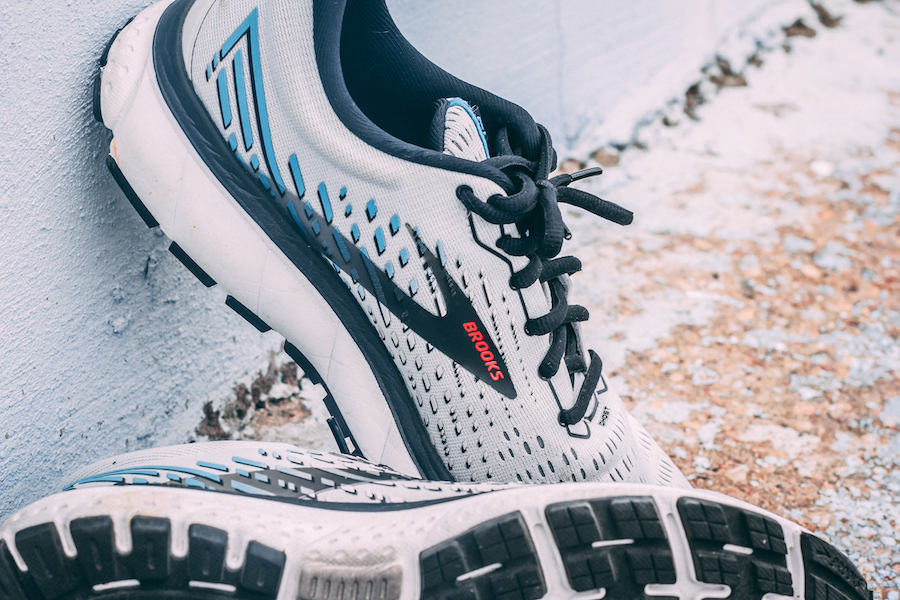
brooks ghost 13 - medial

The Good

ADRIENNE: Let’s start with the fit. It is damn near perfect: an accommodating toe box for plenty of splay and no slop and a secure midfoot hold make the shoe as comfortable as it is functional. I seriously have no complaints. It’s almost like it had my name on it, but it’s so well-made I think many others will feel the same way too. Speaking of others, this is probably the most forgiving shoe I’ve run in in years. You can land on your forefoot, heels, sides of your feet… you get the idea, and the shoe just moves with you.
I took these out for a 7-miler the other day on tired legs and felt great the hours and days after. Whatever Brooks did with just plain old EVA and some air, it works in this shoe. And it is smooth as silk. Whether you’re running a 7-minute mile or an 11-minute mile, like the cast of ‘Friends,’ the Ghost is there for you. Given the extension of DNA Loft, forefoot and heel-striders alike get great protection from the road. It also doesn’t run like a nearly 9-oz shoe, so that is neat also. I think this one will make my rotation as a daily and recovery day shoe, and maybe an easy long run here and there as well. Clearly, I dig this shoe.
ROBBE: You will not find a lack of comfort in the Brooks Ghost 13. The upper is plush in all the right spots without being overbearing. The fit and mold to the foot are right where they should be. Probably the best upper in Brooks’ arsenal. And the design is a step above most other Brooks offerings.
Like Adrienne said, this shoe will adapt to your running style. It offers a smooth ride, especially on downhills, where the cushion and high-drop work in tandem to keep you rolling along. After a long run, you won’t feel any worse for wear with the amount of pampering your feet receive.
One last thing– there are a handful of shoes out there that beginner runners or budget runners should reach for– shoes that will last forever and provide expected comfort and durability for upwards of 400-500 miles. This is one of those shoes. The outsole rubber will last and last.
AUSTIN: DNA LOFT, in the heel of the Ghost 12, extends into the forefoot for the 13. BioMoGo DNA adds extra cushioning and superb step-in comfort. On a related note, if you’re in the market for a Brooks trainer with a full-length DNA LOFT midsole, have a look at the “TempurPedic” Glycerin 18.
After the first two runs, I decided to try the third (8 miles) with a Ghost 12 for comparative analysis. I slipped the 12 (10.1 ounces) on the left foot and 13 (10.1 ounces) on the right to gauge any noticeable fit and ride differences. Honestly, I hoped for glaring distinctions, but the shoes feel quite similar. I thought I favored the forefoot cushioning of the 12, but four miles into the run, the 13 felt a touch softer. That LOFT in the forefoot is swell. The 12 locked the midfoot down better, but the 13 didn’t exhibit any noticeable slippage as my Garmin buzzed each mile.
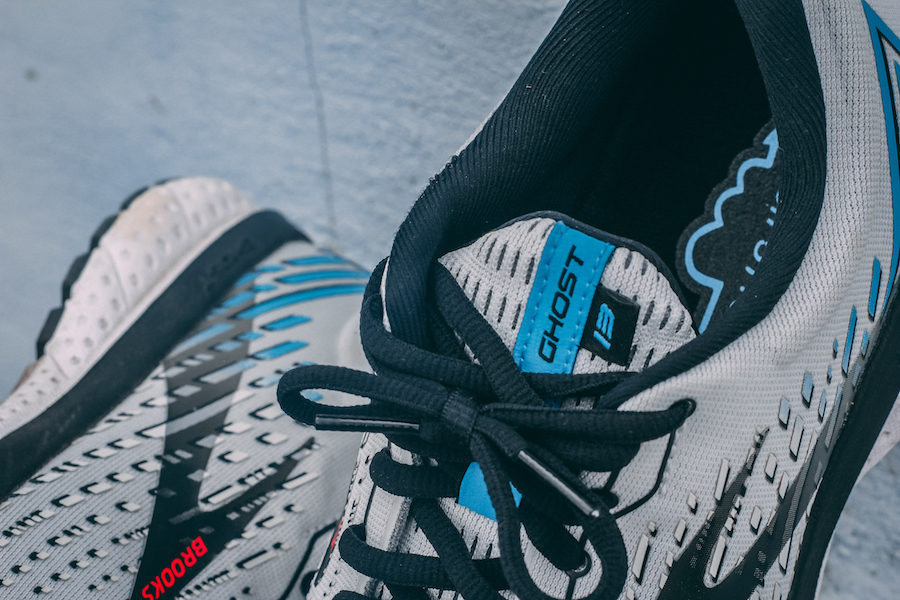
The upper, an engineered mesh, breathes well. That’s a welcome feature for all runners as June and July temperatures are on the horizon. Heel collar and tongue padding are thick, and I’m excited to say that the laces are an appropriate length. Yes, the laces aren’t too long, friends. Rejoice in less work to tie your shoes quickly.
brooks ghost 13 - tongue

The Bad

ADRIENNE: Is a 12mm drop really necessary??? This may be just me.
ROBBE: Truth be told, the Ghost 13 feels a bit on the heavy side for a daily trainer, even though it is lighter than other daily trainers like the Nike Pegasus 37. For me, the weight seemed to come from the thick rubber on the outsole. I took this shoe on several runs, including one long run, and I felt like I just had to give some extra effort coming off the ground. Weird thing is that I moved straight from the Ghost 13 on to the Brooks Bedlam 3, which is actually heavier but feels much lighter to me.
Lastly, Brooks plays it safe, and maybe too safe sometimes. Not much has changed in this shoe since version 11 aside from the DNA Loft now extending from heel to forefoot.
That said, I know they sell a shit ton of this shoe, so like the old saying goes­: If it ain’t broke and people are buying it, don’t fix it.
AUSTIN: I don’t foresee the Ghost undergoing a stack height drop anytime soon, but I would like to see the 12 mm offset drop to 10. Better yet, eight. I note this because as a forefoot striker, running shoes with higher drops feel less smooth through the gait cycle. To put another way, the heel gets in the way, especially on the downhill. As for the Ghost 13, I’ve got no bones to pick. Step-in comfort is what you’ve come to expect—it shines, the ride is solid, and the price point ($130) is optimal. Drop the drop and the weight half an ounce eventually.
brooks ghost 13 - tongue

Brooks Ghost 13 Conclusion

ADRIENNE: For better or worse, Brooks may still be Brooks– but in the case of the Ghost 13, they did an excellent job in keeping a shoe true to itself. Such a good job it won over a lightweight trainer fan. I haven’t slipped into anything as effective for its purpose since the Saucony Triumph 17, and we know how that one went over. This is a shoe that works for both beginners and seasoned runners alike. When it comes to the Ghost, please never change, Brooks.
ROBBE: Fans of previous versions of the Brooks Ghost 13 will be pleased that just a few minor tweaks have kept this shoe largely the same. For runners wanting a new and fresh experience underfoot, you may want to look elsewhere. Point being, if you want a reliable daily trainer with great comfort and cushion that will last forever, you could do much worse than the Ghost 13.
AUSTIN: Like the Nike Pegasus 37, the Brooks Ghost is a daily trainer that you can depend on year after year. The shoe undergoes changes, but they tend to be minimal so as not to disrupt the fandom that keeps runners regularly returning. Also, if you like shoes with grey and black, the forthcoming palette will not disappoint. Of course, we’ve had enough black for the year. So, I suggest purchasing the brightest color available or waiting for a myriad of other colorways, including a Gore-Tex version later in the year.
The Brooks Ghost 13 releases everywhere on September 1 for $130. You can pick it up at Running Warehouse (featuring free 2-day shipping and 90-day returns) by using the shop link below.

2020年6月15日星期一

New Balance FuelCell TC Performance Review

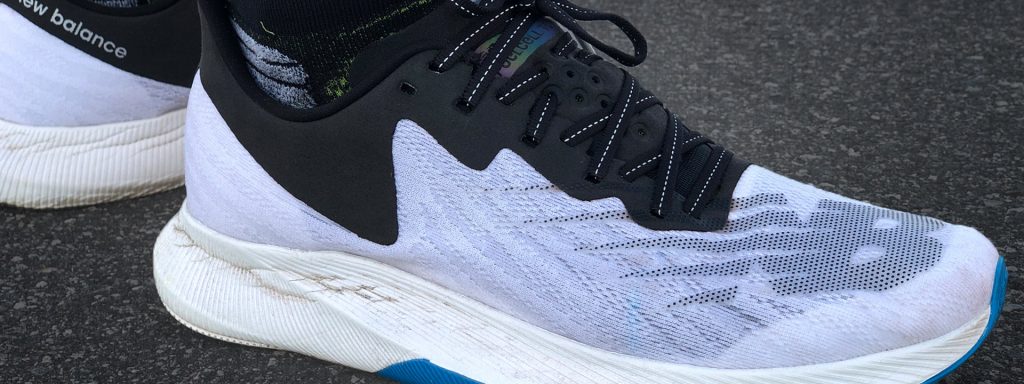
The New Balance FuelCell TC is New Balance’s first modern carbon-plated running shoe. New Balance will also release a model called the RC. The T in TC seems to stand for train while the R in RC stands for race. I imagine the C stands for carbon fiber. New Balance hasn’t revealed the mysterious acronym’s true meaning so let’s just roll with it for now.
The FuelCell TC competes with the similarly training-focused Nike Zoom Fly 3 while the upcoming RC will compete head to head with Nike’s Vaporfly Next%. As someone who absolutely loved and ran my half marathon PR in the Zoom Fly 3, the FuelCell TC is facing really good competition.
New Balance is in a good position to compete, having recently produced a string of solid daily trainers including the FuelCell Propel and Fresh Foam More. Because of my recent positive experiences with New Balance running, I was optimistic that the New Balanace 327 could compete with the Zoom Fly 3 but doubtful it could top it. Turns out, my doubts were proven wrong…

Cushion

Wow, the FuelCell TC is bouncy! The formulation of FuelCell used in the TC is much softer and springier than what was used in the FuelCell Propel and OMN1s. The carbon fiber plate helps out with that, of course, but the combo is delicious. It’s bouncier than the Nike Zoom Fly 3 but in a lighter overall package.
My feet and legs never felt beat up running in the FuelCell TC. The cushion absorbed the impact and pushed me into my next stride. I always ended up running at a faster pace than I planned while wearing them. It may be a mental thing due to how they feel on foot, but I get more results out of the same effort when I wear the TC.
The softness of the cushion paired with the great bounce lifts the TC above the Zoom Fly 3 as the bounciest trainer I own.
New Balance FuelCell TC Fit

Fit

While the New Balance FuelCell TC’s fit is more narrow than other New Balance running shoes, it’s still wider than Nikes and will be more comfortable for most of the wide footers that have been stuffing their feet into Zoom Flys and Vaporflys.
The length is true to size, so if you can find the FuelCell TC in stock, buy your usual running shoe size.
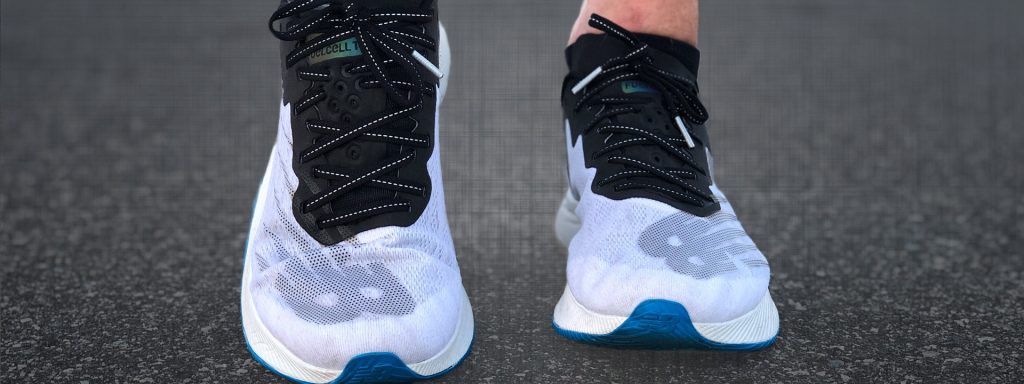
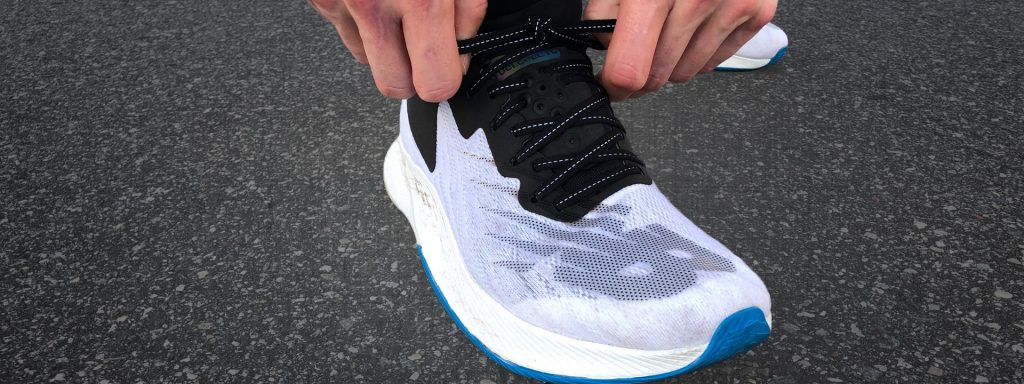
The forgiving mesh upper fits well and gave me no issues. The only fit issue is the shoe’s tongue. The tongue can fold up on itself when putting it on. This is similar to other thin-tongued shoes like the Hoka Carbon X or Nike SB Dunk. It’s annoying and requires your full attention as you slide the shoes on your feet. During runs, I had bad tongue slippage on both shoes. Luckily, Ben Johnson showed me how to fix the slippage by putting the laces through some of the air holes in the tongue. Check the images in this review to see how I did it. This technique also helped a bit with the tongue folding issue (though it can still happen). I recommend anyone buying the FuelCell TC use this lacing technique.
New Balance FuelCell TC Materials

Materials

The New Balance FuelCell TC features a mesh upper with suede around the collar and tongue. The suede reinforces the whole area but is low quality. It’s just slightly better than the feltlike stuff that shows up on some shoes. The 3M thread in the laces and the lenticular logo on the tongue are both nice touches.
The breathability of the upper is fantastic. Air moves right through the mesh and large air holes on the tongue. You won’t overheat in these shoes.
New Balance FuelCell TC Traction

Traction

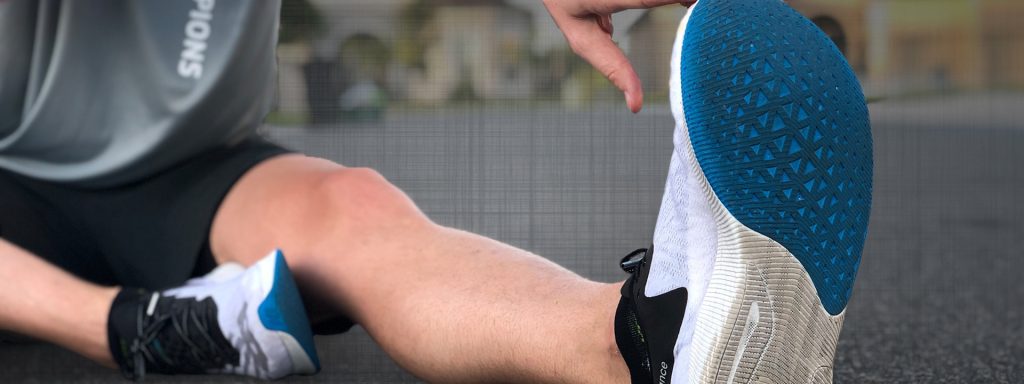
There’s a big chunk of rubber covering the entire forefoot. A large portion of the shoe’s weight comes from the rubber. There’s also two other pieces of rubber on the heel.
The outsole grips well but the main triangle-patterned forefoot tread is wearing faster than I’d like. Because the rubber is so thick, the FuelCell TC will easily last over 300 miles, I’m just not sure how long the triangles on the outsole will stick around.
New Balance FuelCell TC Support

Support

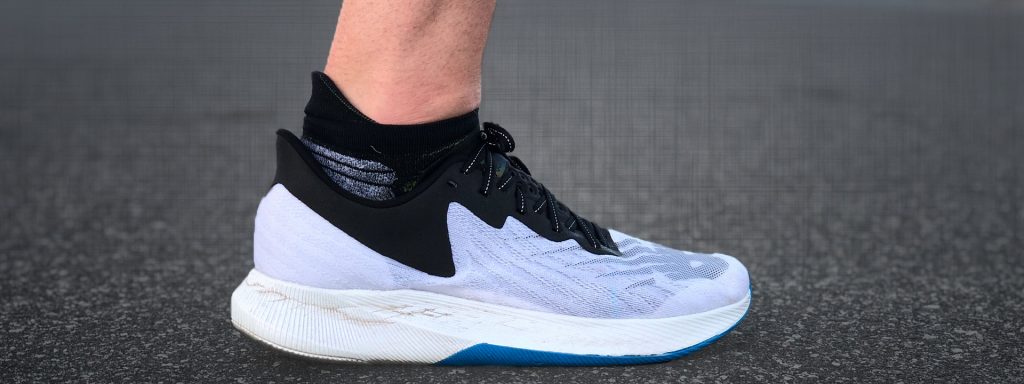
Just like it’s Nike competitor, the FuelCell TC is a little tipsy. It’s better than the nike air force 1 because the midsole flares very wide starting at the heel on the lateral side. The lateral support is assisted by the outsole rubber wrapping up onto the midsole at the midfoot. It adds strength to the natural outrigger of the flared midsole. The midsole also widens at the medial forefoot to balance out the support.
Tackling cobblestone or mulchy dirt paths felt much safer in the FuelCell TC than it did in the Zoom Fly 3. I don’t recommend off-roading in the FuelCell TC but it packs solid support into a high rebound, speed-focused road shoe.
Overall

Overall

The New Balance FuelCell TC cements New Balance as a legit competitor to Nike in the carbon plate running shoe war. The FuelCell TC is an awesome shoe. It’s ultra breathable, accommodates most foot types, and is extremely bouncy. At $200, the price is high. In return, you get a shoe that will tear up the road during intervals, fartleks, tempo runs, and any other speed work you do.

2020年6月9日星期二

Reebok Nano X Performance Review

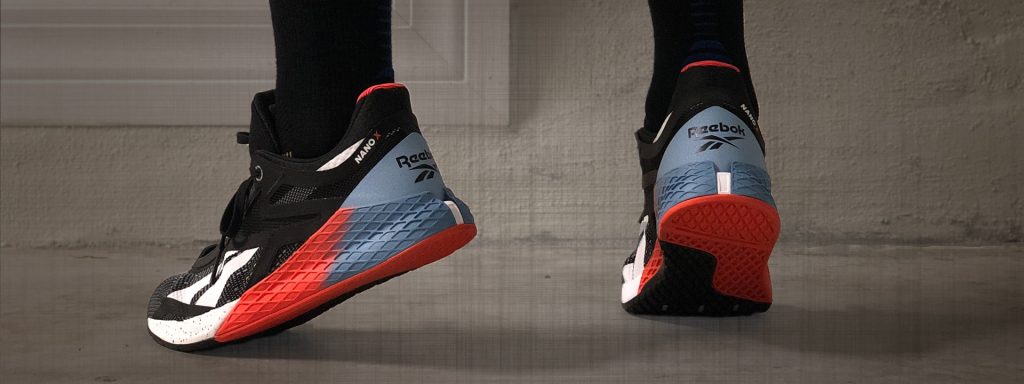
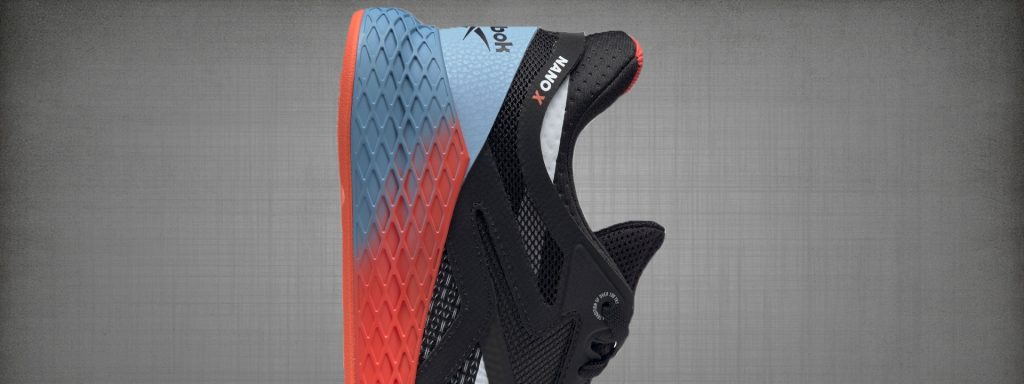
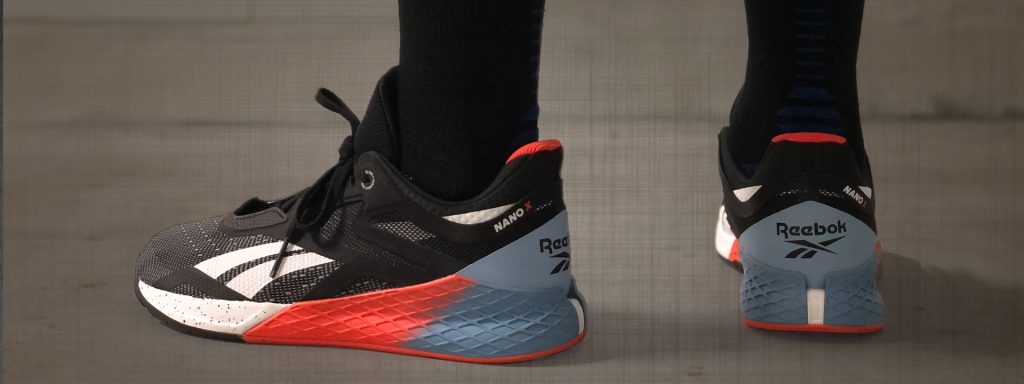
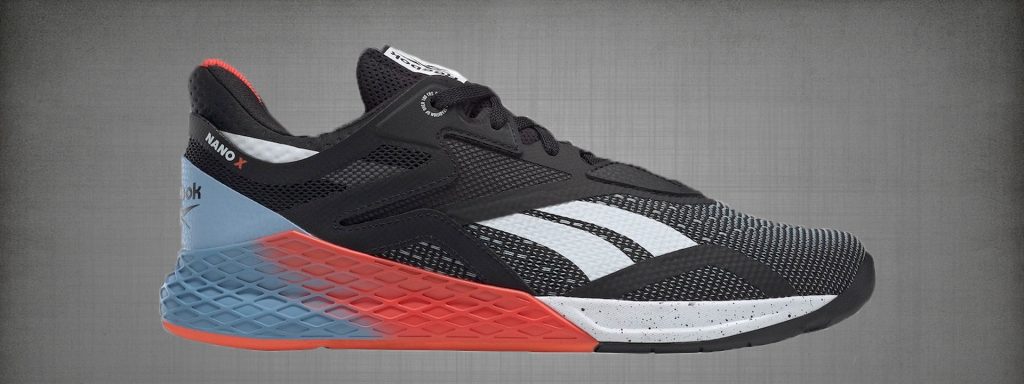
10 years. It’s been 10 years since the rise of Crossfit and its Reebok Nano trainers. Over that time, Reebok has tried to fine-tune and develop materials and designs to improve rope climbs, box jumps, sprints, and the various lifts you see in gyms across the world. How close did they come with the Reebok Nano X? Only one way to find out. Read on, true believers…

Traction

Bryan: The best place to start is usually at the bottom, and the Nano X traction is beautiful. An alternating diamond grid pattern mimics herringbone in kobe 5 and completely covers the sole of the shoe. When I say “mimics herringbone” I mean it grips everything. I had no issues with wet concrete, wood floors, carpet on my box for jump training (20x24x30), or asphalt. I have been in quarantine the entire length of this review so my exercises have been a little limited (no rope climbs, no cleans, or squats) but the rubber has stood up to multiple short (2-3 mile) runs with no fraying and minimal wear. The rubber isn’t exactly thick (it has to be flexible) but the durometer (hardness) is more than a basketball shoe so it will wear slow.
Now, about the white areas you see – those are called the Metasplit and they are strategically-placed flex zones to allow the shoe to roll and splay with the foot while still providing grip in all activities and they work great. Any activity that requires your foot to grip (climbing, stairs, box jumps) is significantly easier with the splits. All in all, traction was a win.
Drew: Bryan is right, the traction is definitely a win. I was impressed with the tackiness of the dissected diamond patterns in the forefoot, medial midfoot, and heel. Despite being a hard rubber, the Nano X outsole was grippy on all surfaces. I found the traction especially helpful doing bodyweight exercises like planks or wall sits where you need the outsole to create friction and prevent slippage. No matter the exercise and no matter the weight you’re carrying, you won’t slip.
Reebok Nano X Cushion

Cushioning

Bryan: Like most Crossfit/training shoes (except the Nike lebron 17), the cushioning in the Reebok Nano X is stiff and solid with very little compression. This makes for a great base for heavy lifts and landings from jumps but impact protection should suffer. Except… it didn’t. For some reason, for lifting and training, I have come to enjoy a cushioning that doesn’t provide a ton of impact protection. One reason is I tend to focus on form and function. If my form is correct and I am doing the lift/exercise correctly, I shouldn’t need much impact protection. The foam here was rumored to be Floatride, which made me happy, because Floatride is awesome, but Reebok decided to use standard EVA caged in the rubber midsole. The Nano X even worked for short runs, providing just enough protection that I didn’t feel much impact in my legs and back. I wouldn’t want to go much farther than 2-3 miles in them but less than that worked well. The caging in the heel keeps the foam from compressing and rolling over while lifting (which is more important than impact protection for this use case) but the forefoot being uncaged feels softer for jumps. All in all, a near-perfect setup for a training shoe.
Drew: There’s not much cushion. As Bryan mentioned, it’s just a thin layer of EVA. The EVA used is on the softer side but not too soft for it’s primary purpose, lifting weights and various workout movements. My only complaint is that the shoe was a bit slappy while running due to the stiff midfoot and high sidewalls. But I’m typically reviewing running shoes so I’m a bit spoiled in that department. But if you’re like Bryan and never skip leg day, you may be just fine.
Reebok Nano X Materials

Materials

Bryan: Reebok goes back to the well with the tried and true Flexweave, first introduced in the Fast Flexweave runner three years ago. This material is not as soft as Flyknit, Primeknit, or Ultraknit, but is WAAAAY more durable. Nylon threads run through the textile upper from lateral to medial side, keeping the shoe laterally contained, while the sideways weave lets the forefoot flex more naturally. The inner bootie isn’t stretchy at all, adding to the containment factor, and the tongue is thin except for the upper part, where it turns into a thick padded treat. The Vector is painted on, which removes some weight and a layer of material. The lacing area does have a little fuse. Fairly simple but simple works.
Drew: The only thing I’ve got to add is that the upper part of the stretchy mesh tongue and it’s padded goodness was one of my favorite parts of the Nano X. The other impressively padded and comfy portion of the shoe was the heel collar. It’s filled with dense foam that feels great and helps with heel fit.
Reebok Nano X Fit

Fit

Bryan: Now the one category I have a hard time explaining on Crossfit/trainers (yeah, my words escape me, finally). The Nano series has utilized a wide, sort of squared toebox for a few models now and it’s nice for toe splay (when your toes land and spread out for grip) but leaves some serious dead space around the foot, especially over the top. This makes the shoe more flexible as you are lifting but also feels a little larger than needed. However, the length of the shoe is true to size so sizing down to take away the space is not my idea of a fun time. During lifts and activity, it works, but just wearing it feels big.
The midfoot is locked in using the straightforward lacing and the full-length internal sleeve, pulling the shoe up and around your foot. There are flex notches set into the lacing to help with flexibility and fit, and to help movements feel more natural. The heel is the true improvement. The higher cut on the heel and the added high-density foam collar ride your heel like a mountain ATV and the support cage layered over the sleeve pulls your heel back into the shoe. Very little heel slip (still some though) but not enough to feel unstable while wearing.
Drew: I didn’t get any heel slip and my heel and ankle area just sunk into the heel foam. I felt locked down inside a cage of memory foam. One item to note is the heel collar extends much higher than is normal for the Nano line. It’s not a big deal if you’re used to basketball shoes but if Chucks are your typical weightlifing jam, you may not love how high the rear collar goes.
As Bryan explained, the forefoot is wide. Not as wide as early Nanos but still supporting as much toe splay as you can give. The Nano X fits true to size. I’d encourage any narrow footers (like myself) to wear thicker socks like Strideline when working out in the Nano X.
Reebok Nano X Support

Support

Bryan: Like most good training shoes, support is a high point of the Reebok Nano X. The sole provides a solid, stable, WIDE base, and cages in the unstable foam without feeling too hard or rigid. The rubber caging raises up the sidewalls keeping the heel upright and also acts as the heel counter. The rubber cage also ties into the midfoot, making the rear of the shoe one piece under foot and as supportive as a Twitter lifecoach. The forefoot is also wide and stable, with a wider midsole around the lateral area to keep rollovers from happening. The medial forefoot is also rounded for ease of movement and better grip.
Drew: The flexweave is pretty strong all by itself but the sidewalls do most of the work. They extend above the midsole from heel to midfoot and keep you securely on the footbed during quick side to side movements. It’s a stable, grippy shoe.
The shoe’s platform is again relatively flat with the Nano X featuring a, typical for the Nano, 4mm drop. There’s no sliding forward as you lift heavy poundage up above your head.

Overall

Bryan: The Reebok Nano X is a straight-up, serious training shoe, period. For anyone wanting a shoe for the weights, cardio machines, plyometrics, and short runs, there may not be a better shoe on the market (if there is, let me know). The combination of lightweight support, low profile cushioning, and good fit make the Nano X a shoe that does anything. Thankfully, Reebok kept the Vector logo, meaning it looks good on foot too. The only shoe I have in my closet that I can compare it to versatility-wise is the Lane Eight Trainer AD1. As many times as I have wished Reebok would get back in the basketball game, if they just keep making trainers like this, I won’t complain. I won’t say the Nano X is my favorite trainer ever (that’s still the Reebok JJ Watt II), but for anyone looking for an all-around shoe (I even played some driveway hoops in them) it gets no rougher.
Drew: The Reebok Nano X is the best Nano yet. It’s the most comfortable overall, including that plush heel, and not all that heavy at 12.9 ounces (Men’s 10). At $130, it’s a really good option for garage workouts while stuck in lockdown and for the gym when we finally get back to normal life.
Thanks to Reebok for sending pairs to test. Reebok was not given any editorial control of the review. This review is based on our weartesters’ experiences using the shoes for speed workouts, trail runs, treadmill training, long runs, casual wear, and more.

Reebok Nano X Performance Review

10 years. It’s been 10 years since the rise of Crossfit and its Reebok Nano trainers. Over that time, Reebok has tried to fine-tune and develop materials and designs to improve rope climbs, box jumps, sprints, and the various lifts you see in gyms across the world. How close did they come with the Reebok Nano X? Only one way to find out. Read on, true believers…

Traction

Bryan: The best place to start is usually at the bottom, and the Nano X traction is beautiful. An alternating diamond grid pattern mimics herringbone in kobe 5 and completely covers the sole of the shoe. When I say “mimics herringbone” I mean it grips everything. I had no issues with wet concrete, wood floors, carpet on my box for jump training (20x24x30), or asphalt. I have been in quarantine the entire length of this review so my exercises have been a little limited (no rope climbs, no cleans, or squats) but the rubber has stood up to multiple short (2-3 mile) runs with no fraying and minimal wear. The rubber isn’t exactly thick (it has to be flexible) but the durometer (hardness) is more than a basketball shoe so it will wear slow.
Now, about the white areas you see – those are called the Metasplit and they are strategically-placed flex zones to allow the shoe to roll and splay with the foot while still providing grip in all activities and they work great. Any activity that requires your foot to grip (climbing, stairs, box jumps) is significantly easier with the splits. All in all, traction was a win.
Drew: Bryan is right, the traction is definitely a win. I was impressed with the tackiness of the dissected diamond patterns in the forefoot, medial midfoot, and heel. Despite being a hard rubber, the Nano X outsole was grippy on all surfaces. I found the traction especially helpful doing bodyweight exercises like planks or wall sits where you need the outsole to create friction and prevent slippage. No matter the exercise and no matter the weight you’re carrying, you won’t slip.
Reebok Nano X Cushion

Cushioning

Bryan: Like most Crossfit/training shoes (except the Nike lebron 17), the cushioning in the Reebok Nano X is stiff and solid with very little compression. This makes for a great base for heavy lifts and landings from jumps but impact protection should suffer. Except… it didn’t. For some reason, for lifting and training, I have come to enjoy a cushioning that doesn’t provide a ton of impact protection. One reason is I tend to focus on form and function. If my form is correct and I am doing the lift/exercise correctly, I shouldn’t need much impact protection. The foam here was rumored to be Floatride, which made me happy, because Floatride is awesome, but Reebok decided to use standard EVA caged in the rubber midsole. The Nano X even worked for short runs, providing just enough protection that I didn’t feel much impact in my legs and back. I wouldn’t want to go much farther than 2-3 miles in them but less than that worked well. The caging in the heel keeps the foam from compressing and rolling over while lifting (which is more important than impact protection for this use case) but the forefoot being uncaged feels softer for jumps. All in all, a near-perfect setup for a training shoe.
Drew: There’s not much cushion. As Bryan mentioned, it’s just a thin layer of EVA. The EVA used is on the softer side but not too soft for it’s primary purpose, lifting weights and various workout movements. My only complaint is that the shoe was a bit slappy while running due to the stiff midfoot and high sidewalls. But I’m typically reviewing running shoes so I’m a bit spoiled in that department. But if you’re like Bryan and never skip leg day, you may be just fine.
Reebok Nano X Materials

Materials

Bryan: Reebok goes back to the well with the tried and true Flexweave, first introduced in the Fast Flexweave runner three years ago. This material is not as soft as Flyknit, Primeknit, or Ultraknit, but is WAAAAY more durable. Nylon threads run through the textile upper from lateral to medial side, keeping the shoe laterally contained, while the sideways weave lets the forefoot flex more naturally. The inner bootie isn’t stretchy at all, adding to the containment factor, and the tongue is thin except for the upper part, where it turns into a thick padded treat. The Vector is painted on, which removes some weight and a layer of material. The lacing area does have a little fuse. Fairly simple but simple works.
Drew: The only thing I’ve got to add is that the upper part of the stretchy mesh tongue and it’s padded goodness was one of my favorite parts of the Nano X. The other impressively padded and comfy portion of the shoe was the heel collar. It’s filled with dense foam that feels great and helps with heel fit.
Reebok Nano X Fit

Fit

Bryan: Now the one category I have a hard time explaining on Crossfit/trainers (yeah, my words escape me, finally). The Nano series has utilized a wide, sort of squared toebox for a few models now and it’s nice for toe splay (when your toes land and spread out for grip) but leaves some serious dead space around the foot, especially over the top. This makes the shoe more flexible as you are lifting but also feels a little larger than needed. However, the length of the shoe is true to size so sizing down to take away the space is not my idea of a fun time. During lifts and activity, it works, but just wearing it feels big.
The midfoot is locked in using the straightforward lacing and the full-length internal sleeve, pulling the shoe up and around your foot. There are flex notches set into the lacing to help with flexibility and fit, and to help movements feel more natural. The heel is the true improvement. The higher cut on the heel and the added high-density foam collar ride your heel like a mountain ATV and the support cage layered over the sleeve pulls your heel back into the shoe. Very little heel slip (still some though) but not enough to feel unstable while wearing.
Drew: I didn’t get any heel slip and my heel and ankle area just sunk into the heel foam. I felt locked down inside a cage of memory foam. One item to note is the heel collar extends much higher than is normal for the Nano line. It’s not a big deal if you’re used to basketball shoes but if Chucks are your typical weightlifing jam, you may not love how high the rear collar goes.
As Bryan explained, the forefoot is wide. Not as wide as early Nanos but still supporting as much toe splay as you can give. The Nano X fits true to size. I’d encourage any narrow footers (like myself) to wear thicker socks like Strideline when working out in the Nano X.
Reebok Nano X Support

Support

Bryan: Like most good training shoes, support is a high point of the Reebok Nano X. The sole provides a solid, stable, WIDE base, and cages in the unstable foam without feeling too hard or rigid. The rubber caging raises up the sidewalls keeping the heel upright and also acts as the heel counter. The rubber cage also ties into the midfoot, making the rear of the shoe one piece under foot and as supportive as a Twitter lifecoach. The forefoot is also wide and stable, with a wider midsole around the lateral area to keep rollovers from happening. The medial forefoot is also rounded for ease of movement and better grip.
Drew: The flexweave is pretty strong all by itself but the sidewalls do most of the work. They extend above the midsole from heel to midfoot and keep you securely on the footbed during quick side to side movements. It’s a stable, grippy shoe.
The shoe’s platform is again relatively flat with the Nano X featuring a, typical for the Nano, 4mm drop. There’s no sliding forward as you lift heavy poundage up above your head.

Overall

Bryan: The Reebok Nano X is a straight-up, serious training shoe, period. For anyone wanting a shoe for the weights, cardio machines, plyometrics, and short runs, there may not be a better shoe on the market (if there is, let me know). The combination of lightweight support, low profile cushioning, and good fit make the Nano X a shoe that does anything. Thankfully, Reebok kept the Vector logo, meaning it looks good on foot too. The only shoe I have in my closet that I can compare it to versatility-wise is the Lane Eight Trainer AD1. As many times as I have wished Reebok would get back in the basketball game, if they just keep making trainers like this, I won’t complain. I won’t say the Nano X is my favorite trainer ever (that’s still the Reebok JJ Watt II), but for anyone looking for an all-around shoe (I even played some driveway hoops in them) it gets no rougher.
Drew: The Reebok Nano X is the best Nano yet. It’s the most comfortable overall, including that plush heel, and not all that heavy at 12.9 ounces (Men’s 10). At $130, it’s a really good option for garage workouts while stuck in lockdown and for the gym when we finally get back to normal life.
Thanks to Reebok for sending pairs to test. Reebok was not given any editorial control of the review. This review is based on our weartesters’ experiences using the shoes for speed workouts, trail runs, treadmill training, long runs, casual wear, and more.

2020年6月8日星期一

Nike SuperRep Cycle Performance Review

Nike is finally back in the cycling game…kind of. The Nike SuperRep Cycle is Nike’s first cycling shoe since the whole Lance Armstrong debacle of the early 2000s. Back then, Nike made some of the best cycling gear. There’s still a large community of cyclists, like myself, that have been begging Nike to come back. You can see the history of Nike’s cycling line here.
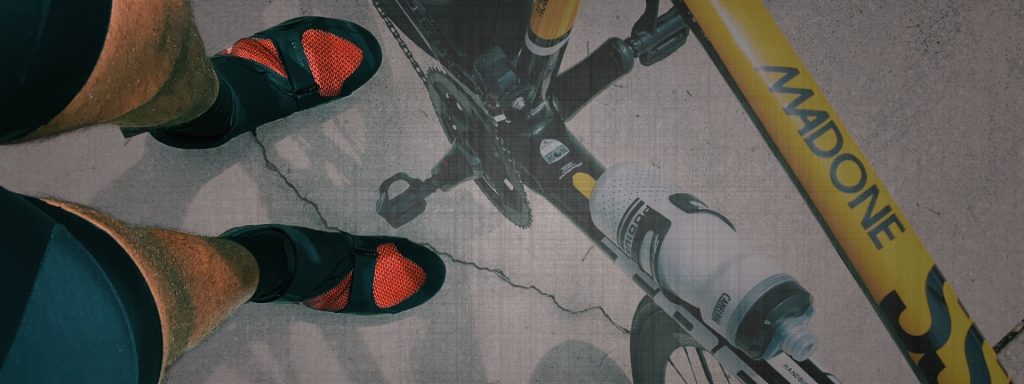
The SuperRep Cycle (not to be confused with the Nike Air Zoom SuperRep) is advertised as an indoor cycling shoe. That’s smart because of the insane (and growing) popularity of Peloton and Nordic Track indoor cycling machines. I also think there’s also a ton of people who will wear these on outdoor bikes. I tested them on both SPD (Indoor system) and SPD-SL (Road Bike Cleat system) pedal systems to see how they performed.
I’ve previously reviewed running shoes for sneaker debut but cycling is what I enjoy most. I’ve cycled for 2+ years now and was training for a Half Ironman until Covid-19 got my event cancelled. I typically cycle 70-100 miles a week and have used a ton of different cycling shoes in the process. I know exactly what to look for in cycling shoes.
Nike SuperRep Cycle Fit

Fit

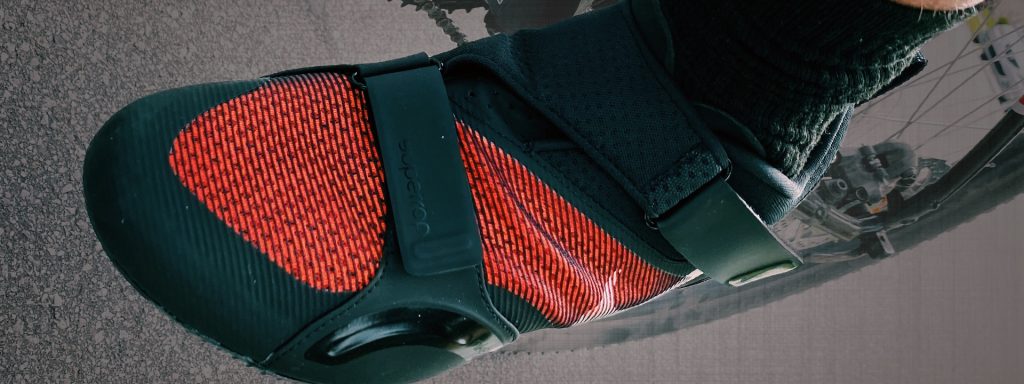
The Nike SuperRep Cycle is insanely comfortable for a cycling shoe. That’s due to the fact that the width is very accommodating and not narrow like a large portion of Nike performance shoes. The SuperRep Cycle fits a half size small lengthwise. My true size 12.5 was too short and I had to swap them for a 13. Once I got the size 13, I instantly realized these were the most comfortable cycling shoes I owned. There is a lot of padding on the heel of the shoe and a very comfortable soft mesh material surrounds the toe box. Feet swell a lot during long cycling sessions so the wide toe box will give your toes ample space to wiggle around even towards the end of an epic ride. I didn’t feel any hotspots during my rides.

Lockdown

The shoes are fastened by two Velcro straps, one on the toe box and the other at the top of the shoe. This is a very similar setup to most triathlon-specific cycling shoes because it is very easy to put on and take off. The straps aren’t as strong as BOA dials, but they get the job done. I didn’t have any issues with the lockdown and my heels always felt secure when pedaling at high speeds and putting down power. The strap at the top of the shoe is padded nicely and you won’t feel it pressing down on your foot. The toe box strap makes the shoe really secure on side-to-side movements, which will be perfect for those using them on a Peloton or in gym-based cycling classes where they make you do lateral movements.

Power Transfer

The outsole is one piece of nylon plastic with a stiffness comparable to entry level cycling shoes. The stiffer the sole, the better. High level cycling shoes use the stiffest possible carbon fiber on their soles, but I didn’t expect Nike to include that in an indoor cycling shoe. The power transfer is not elite, but it is good enough for this use case. I did my standard fast Tuesday ride with my cycling group, where we average around 22-25mph for twenty miles, and my pedal stroke felt efficient. The SuperRep Cycle didn’t hold me back and the sole didn’t bend when I sped up. I did feel the cleat more than I would in my other lebron 17 shoes. They also held up great on the two bolt indoor SPD system that most cycling classes use.
Nike SuperRep Cycle Materials

Materials

The materials used on the SuperRep Cycle are fantastic. The toebox and midfoot are lined with an exposed mesh that is cozy and very airy. The ventilation on these is great, your feet won’t get toasted during your sweaty cycling classes or outdoor summer rides. I wore them in typical Florida heat for hours and my feet didn’t get hot. And as stated above, the sole is made of a stiff nylon that has good power transfer.
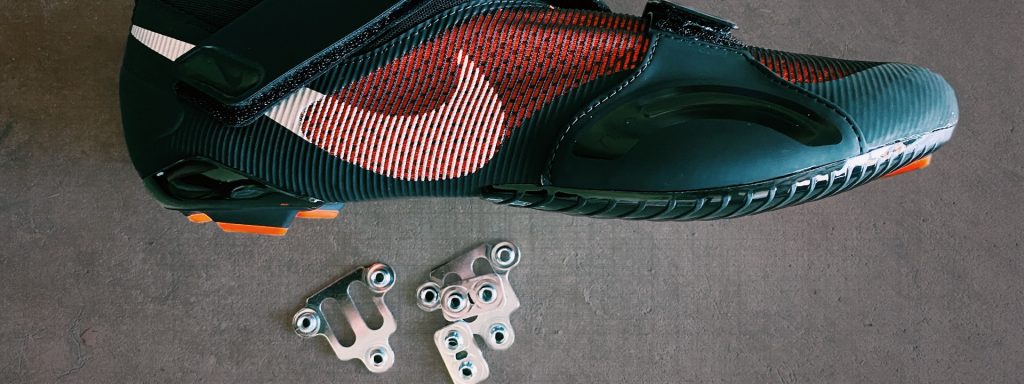
As for the cleat system, Nike opted to include a 2-hole and 3-hole cleat insert that you put in the shoe depending on which system you want to use. Traditionally, these are built into the shoe and I wish Nike did the same. I can’t see any benefit behind having the pieces separate. All it does is encourage people to lose them (eventually). The shoes do not come with the actual cleats though so find out which set you need and buy them first. If you are new to the cleat system in cycling, here’s an article explaining the different types.
Overall

Overall

Overall, the Nike SuperRep Cycle is great for indoor cyclists who use Peloton or Zwift and for new outdoor cyclists who want to make the jump to a cleated pedal. They’re correctly priced at $120, light, breathable, and very comfortable. The wide toe box is a nice bonus, but the power transfer won’t satisfy elite cyclists. If you want to add a comfortable shoe for recovery rides to your rotation, or if you have just been dying to wear Nikes on a bike like I have, the SuperRep Cycle is perfect for you.

2020年6月6日星期六

Nike Alphafly NEXT% vs Vaporfly NEXT%

What changed on the Nike Alphafly NEXT% vs Vaporfly NEXT%? Running shoe fans have asked that question a lot since the world’s best marathoner, Eliud Kipchoge, broke the two-hour marathon barrier in the Nike Air Zoom Alphafly NEXT%. Since that day in October 2019, Brigid Kosgei set the Women’s Marathon world record in the Nike ZoomX Vaporfly NEXT%, Galen Rupp won the 2020 US Olympic Trials in the Alphafly NEXT%, and we reviewed the Vaporfly NEXT%. The two models are Nike’s top of line road racers and were on top athlete’s feet for a ton of road running records and PRs.
We’ve been waiting patiently for our chance to get the Alphafly NEXT% in hand and write about what they offer. And thanks to the team at Nike Running, we have our chance to give you our first impression and compare the Alphafly NEXT% vs the Vaporfly NEXT%.

Alphafly NEXT% vs Vaporfly NEXT%: What’s the same?

  • ZoomX midsole. Nike’s beloved Pebax cushion is back. Pebax is super light and rebounds better than any other foam on the market (though its a little tippy). It’s perfect for running long distances. Nike didn’t need to change the foam because it works so well. Nike even doubled down by adding more of it. Where’s the “same but more” category when you need it?
  • Carbon Fiber Plate. Just like in the Vaporfly NEXT%, there’s a full-length carbon fiber plate sandwiched by layers of foam. The plate stabilizes the ZoomX foam and works with it to provide a bouncy feeling. Carbon Fiber plates are HUGE in running right now. It’s basically become a requirement that all top of the line racing shoes have one.
  • Rocker geometry. The midsole still features the exaggerated heel and toe curvature that “guides” the foot through a quick heel to toe transition and lift off. This is becoming standard on any shoe meant for racing or speed training. It has also been trickling down to other Nike products like the wide-footer friendly Nike React Infinity Run.
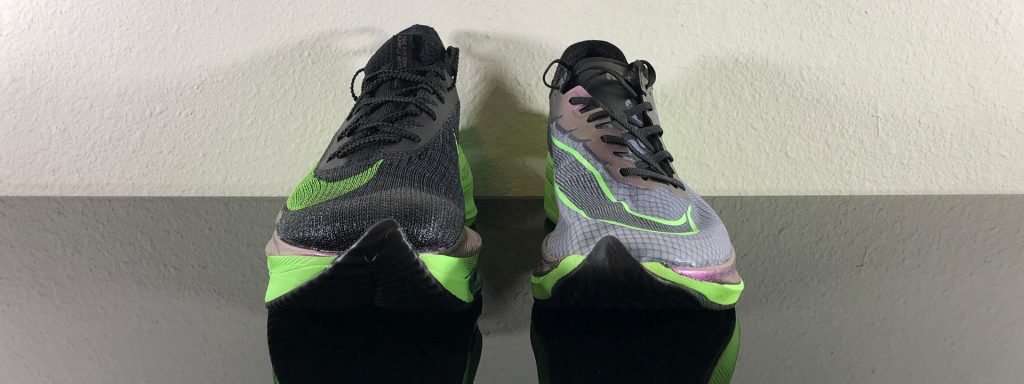
Alphafly NEXT% vs Vaporfly NEXT% Front View
  • Asymmetrical lacing. Though not as pronounced as the Vaporfly, the Alphafly features asymmetrical lacing. The lacing structure curves slightly towards the lateral side of the foot. By arranging the lacing this way, the top of the foot gets less pressure. It’s helpful for the type of long distance running that made the Vaporfly and Alphafly famous.
  • Achilles pillow. It returns. The Alphafly pillow is more sculpted than the Vaporfly version. The result is the same, extra heel comfort.
  • Insole. Both insoles look and feel the same. Also, the insole is still so fiercely glued down that removing it is basically impossible.
  • Length. The Alphafly fits true to size. Feel free to grab your normal Nike shoe size or the size you purchased in the Vaporfly (assuming you didn’t go up half a size to get extra width).
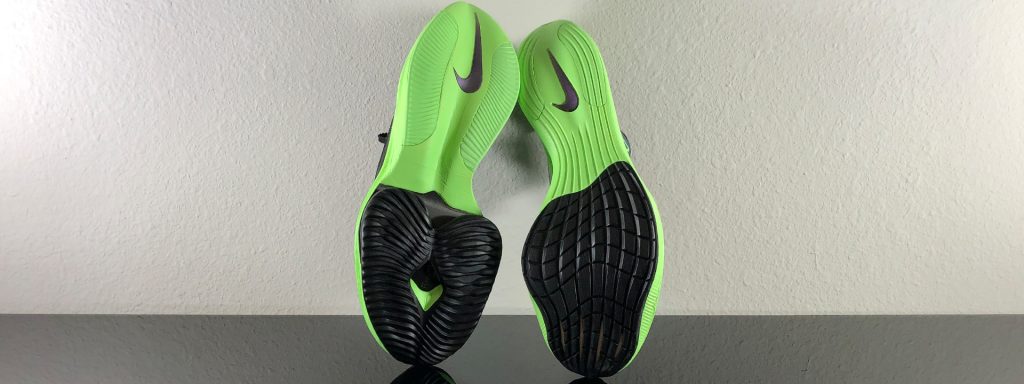
Alphafly NEXT% vs Vaporfly NEXT% Outsoles

Alphafly NEXT% vs Vaporfly NEXT%: What’s the difference?

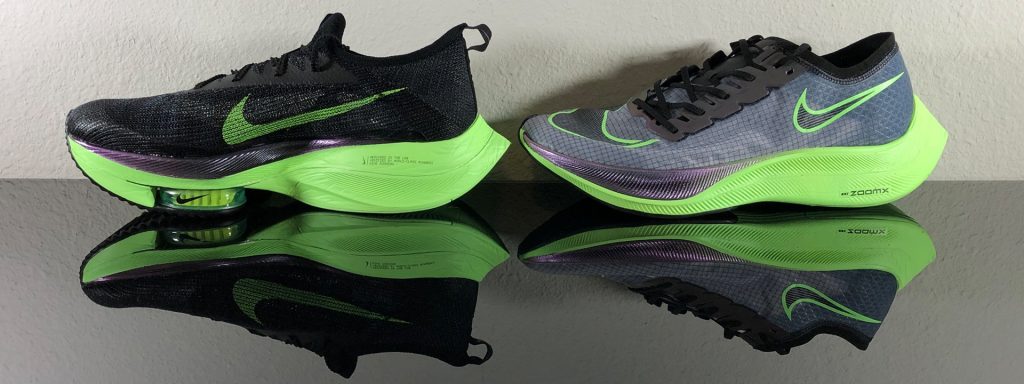
  • Forefoot Zoom Air. The Alphafly NEXT% features two huge forefoot Zoom Air bags that sit beneath the carbon fiber plate and a layer of ZoomX. Basketball fans will recognize this forefoot setup from the Nike LeBron 17 (minus the ZoomX). I’m pretty sure these are the tallest Zoom Air bags to ever appear on a running shoe. And they do the job. The forefoot impact protection is impressive.
  • Stack height. The two shoe’s midsole heights are different. The difference in millimeters is small. The Alphafly’s height is 35mm in the forefoot and 39mm in the heel whereas the Vaporfly’s height is 32mm and 40mm respectively. Even though it’s not a big variance, I feel higher off the ground in the Alphafly.
  • Offset. Nike lessened the heel to toe offset from 8mm to 4mm. Personally, I love this change as 4mm-6mm is my offset sweet spot. You may feel differently. Many runners prefer 8-10mm offset so this might be the biggest and most polarizing change.
  • Upper material. The Vaporweave on the Vaporfly’s upper is replaced with Atomknit. Atomknit is Flyknit that is steamed and stretched. The Vaporweave upper is best described as a ripstop/plastic hybrid. It felt strange at first but won a bunch of fans and proved efficient at avoiding water absorption. Atomknit feels better from a comfort perspective. It didn’t absorb much, if any, water on my first run. I’ll have to see how it does during long runs on hot days.
  • Laces. The laces on the Vaporfly were small, thin and not that great. The Alphafly’s got slightly thicker laces with serrated edges. The idea behind the serrated edges is that they won’t pull free while wet during runs. I like them so far because they’re easier to handle.
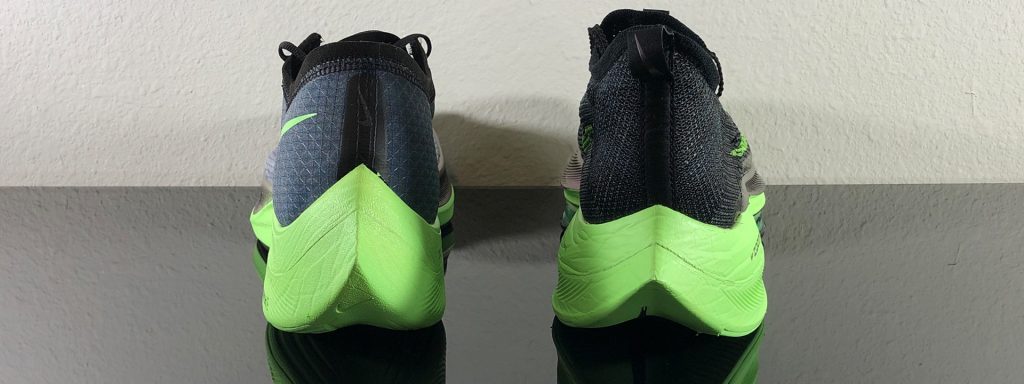
Alphafly NEXT% vs Vaporfly NEXT% Rear View
  • Fit. The heel and forefoot on the Alphafly are wider than the same areas on the Vaporfly. The midfoot/arch still feels very snug. As soon as I put on the Alphafly, I knew it would accommodate a wider range of foot types.
  • Support. A regular complaint about the Vaporfly was its tippiness, especially while cornering. The Alphafly is still a bit tippy around corners but Nike has improved the stability. They did it by flaring the forefoot midsole out wider and using the two Zoom Air bags as outriggers. Nike also put a strip of fuse around the bottom of the upper where it connects to the midsole. Fuse is Flyknit and glue melted together. It’s stronger than normal knit and should add much needed support to help prevent rollovers.
  • Weight. Those Zoom Air bags come with a price. The Alphafly (7.4 oz) is slightly heavier than the Vaporfly (6.6. oz). Based on my initial run in them, I think it’s an acceptable trade off. Of course, I’m 6’6″ and 200 pounds so beefier shoes often work great for me. Smaller runners may end up preferring the Vaporfly. I think many runners will continue to choose the Vaporfly NEXT% for race distances of 10k and under.
  • Outsole. The Alphafly’s outsole is redesigned and features more rubber in the both the forefoot and the heel. My rainy first run indicates the traction is slightly better than the Vaporfly. I didn’t notice any slippage, even on some mildewy sidewalks. I’ll need to run in them more before giving a more concrete judgement.
  • Price. At $275, the Alphafly costs $25 more than the already expensive $250 Vaporfly.
Overall

Overall First Impression

The Nike Alphafly NEXT% vs Vaporfly NEXT% battle is an interesting one. On one hand, the Alphafly seems like a big improvement in a bunch of ways I listed above like fit, outsole, and forefoot cushion. On the other hand, it’s $25 more expensive, heavier, and has a flatter offset some runners won’t love.
My initial impression is that the majority of people will upgrade to the Nike Air Zoom Alphafly NEXT% and be extremely happy with their decision. However, there’s going to be plenty of runners who will stick with the tried and true Nike ZoomX Vaporfly NEXT%. And I can’t blame them. Both shoes are incredibly bouncy racing shoes that prevent your legs from taking a beating over long distances. It’s rare you face a choice where you can’t go wrong. Pending my performance review, I’m thinking we’ve got a rare win/win choice between these two shoes.

2020年6月2日星期二

adidas Yeezy Boost 380 Performance Review

Why did I decide to do a running review of the adidas Yeezy Boost 380? Because of the clickbait title that will attract a lot of readers? Ummm, no, of course not . It’s clearly because of the Boost/Primeknit combo and how great that combo works for other running shoes. Kanye may not intend the 380 to be a running shoe, but I’ll run in anything  for clicks and internet notoriety to review it for our audience.
I run a lot of miles in a lot of shoes. Recently, I’ve posted reviews of the Brooks Glycerin 18, New Balance FuelCell TC, and the Nike Pegasus 37. I’ve also got plenty of experience testing Boost-cushioned running shoes. I’ve reviewed the adidas Ultraboost 20, adidas Pulseboost HD, and the adidas Futurecraft Loop. I put each shoe through speed workouts, trail runs, treadmill training, long runs, casual wear, and more. I’m qualified to judge whether the Yeezy Boost 380 works as a running shoe. And if you don’t agree with my conclusions…I’ll be absolutely heartbroken (not really). I suppose you can get back at me by trolling me on Twitter. Though be warned I will respond to your delusional tweet with a funny GIF that makes you even madder.

Pros

  • Cushion. Boost! It’s got almost as much Boost as the Ultraboost 20. It’s not as bouncy as the UB20 because the Boost is caged and can’t expand laterally. While running, this mutes the forefoot bounce but there’s still plenty of cushioning. If you’re a heel striker you’ll love the plush landings.
  • Knit upper. The mostly Primeknit upper is comfortable. The Primeknit is woven with splotches of plastic-y, fused thread that’s used for the color on the sides. That thread, along with some vinyl-ish material on the interior of the upper, gives the shoe it’s shape.
  • Achilles pads. The heel comfort is fantastic due to three big pads that cup your achilles. There’s no heel counter so the achilles pads also give the heel its shape.
  • Heel stability. You sit way down inside the midsole/sidewalls at the heel. You won’t slide off the footbed back there.
  • Drop. The drop is likely in the 8-12mm range. That’s standard for most athletic shoes.
  • Traction. The rubber outsole provides a ton of coverage with blade traction all over. The rubber used is tacky and performs well in wet conditions. The outsole is also thick enough to last a long time. I counted 17 cut outs where the Boost shows through and can expand. They’re necessary due to the sidewalls that cage the Boost midsole.
  • Breathability. Pretty good for a lifestyle shoe. It has big air holes on both sides that let in a nice breeze while you’re running.
  • Kanye’s Sunday Service. This has nothing to do with the shoes so go ahead and skip it  if you’re here for a serious running review . I went to Kanye’s Sunday Service in Chicago at NBA Allstar weekend 2020. I’ve gone to church services at a bunch of different churches and Kanye’s version was both different and entertaining. I have no idea why Kanye decided to become a Pastor of sorts, but his approach of 95% music mixed with an impressive choir is a good one. Nobody likes endless sermons and Kanye proves you can do church with little to no sermonizing.

Cons

  • Flexibility. The upper is not quite pliable enough for running. The seam down the middle of the upper doesn’t bend enough at the forefoot. You won’t want to run more than a few miles at a time in the kyrie 6.
  • Sock-like upper. It’s a bit too unstructured to run in comfortably. I never felt secure enough to pick up the pace or take hard corners. My forefoot was always threatening to slide right off the footbed. The outsole does flare out in an outrigger type fashion on both the medial and lateral sides of the shoe but it’s not enough to prevent rollovers.
  • Lacing. There’s no way to tighten them well. You’re sort of stuck with the fit. I found the best way to modulate fit was to wear thicker/thinner socks or to double sock. Not great.
  • High rear collar. Just the height alone will bug some people. In particular, the seam at the back of the collar is bad design. It rests on the achilles and causes irritation. It’s a blister waiting to happen. You’ll need to wear socks that are as tall or taller than the height of the collar when running or walking.
  • Insole. It’s thin and worthless.
  • Sizing. Lengthwise, you’ll need to go a half size up. If you don’t, you won’t have enough room for running. Unfortunately for narrow footers, that means you get a little extra width alongside the length. If you’re wearing them casually it’s ok to go true to size.
  • Price. $230 is too much. Only super shoes (running shoes with carbon fiber plates like the Nike Vaporfly Next%) are more expensive and many of them don’t even cost this much. The 380 doesn’t have any luxury materials. Just know you’re basically paying $50-70 extra to help pay for Kanye’s ranch in Wyoming.
  • Ability to purchase. Buying Yeezys for retail takes a lot of patience and a lot of luck. You’ll most likely have to buy them at resale prices if you want them. That’s both annoying and ridiculous. I only got my pair because after complaining on Twitter about the release, the Lapstone & Hammer team tweeted at me that they still had sizes left.

Overall

I ran in them, but the adidas Yeezy Boost 380 is not a running shoe. The lack of toe flexibility, the upper’s poor structure, a lacing system that doesn’t do much, and an irritating collar are too much to overcome. It’s a fun,comfortable casual shoe. But at $230 it’s only worth it if you’re really into sneakers and like the silhouette. If you want a real pair of running shoes, read our Running Shoes Reviews and find a better pair at almost half the price.