2021年5月25日星期二

Air Jordan 30 Performance Review

 We’ve been expecting you all…and now we present to you the performance review of the Air Jordan 30.

Traction – The traction utilizes the Flight Speed architecture of the Air Jordan XX9 and an implementation of a 3D rendering design inspired by the Jordan quote “Excellence is never second place.” The new traction pattern utilized on the outsole was a nice feature. While the traction is inspired by the quote “Excellence is never second place,” the traction on the Air Jordan 30 was third place compared to that on the 28 and 29. The outsole did pick up more dust than I expected so a lot more wipes were required while running back down court during plays. I did state that the Kobe 11 traction was faulty in my review — it collected too much dust and slipped — and the traction on the Air Jordan 30 was similar.

The traction does execute well on very clean courts, but I still find that it could be improved. I wish it utilized the rubber content and design from the Jordan Zion 1. This traction was a slight step back, but I do like the idea and concept of utilizing a 3D inspired herringbone pattern to magnify Jordan’s pinnacle standard.

Cushion – The cushion set up is something that you’ve probably all seen before. The Air Jordan 30 utilizes the same cushion set up as the Air Jordan 1. You feel the prominent forefoot Zoom and the cored out portion of the heel for impact compression. The Zoom on these felt a little bit better compared to the 29. I would much rather prefer full length Zoom or a combination or forefoot and heel Zoom, due to my age and how I land on impact upon rebounds and finishes around the basket. However, the cushion setup worked as expected.

Materials – Here is where I have mixed thoughts. Jordan Brand states that the Air Jordan 30 debuts an “exclusive mix of woven, knit and printed materials.” The woven upper provides a much stronger feeling as it’s more tightly knit. Additionally, the knit at the ankle and the interior is stated as offering “softness and breath-ability.” I disagree on the softness of the interior itself because yes, there is knit material, but I did feel that the interior lining felt much more rough against the skin that what we’ve been used to.

If you wear low or no-show socks, and you have the shoe tied to the top eyelet, then you might feel the materials start to feel like an Indian burn against your skin. Also you might notice that the performance woven material around the foot feels slightly thin, but it’s not much of a concern overall due to how the material is architecturally structured.

Fit – The overall fit, as stated in my previous overview, is that the shoe fits snug, especially on the area along the forefoot. There is a necessary break-in period for to the upper knit material to form around your foot. Even with the slight snug fit, the shoe felt more structurally sound than the 29. I would stay true to size, even with a slightly wider foot, but if you do have a much wider foot or require a usage of an ankle sleeve and/or brace, I would suggest half-size up. The best bet is to go to your local retailer to try these on. The alternate issue I would say with the fit is just the heel counter pushing harshly into my heel/ Achilles causing lot of pain and even blisters, but you’ll hear more about that in the next section.


Support – This is where things get a little mixed up. The support is finite with the new upper collar and upper eyelet. Although support is added, I had circulation issues when tying the shoes tight.
The major issue I had was the heel counter. The heel counter dug into the back of my heel and Achilles which caused discomfort and created blisters. Even with those issues, the heel counter kept my foot in place. I tried lacing the shoe without the top eyelet but I was worried due to lockdown concerns. The only way I played without discomfort was to lace the shoe loosely so I wouldn’t have issues with the heel counter digging into the back of my foot. However, that is a major concern because I shouldn’t have to change the way I’ve always tested or worn a shoe just to wear the 30.

The one standout is the segmented rubberized pattern printed onto the insole. It kept my feet from shifting on quick cuts or movements regardless of the athletic socks I was wearing (Nike Elite and Stance NBA socks). That minor detail Nike SB Dunk Low What The P-Rod utilized should be considered a standard on future basketball shoes.

Overall – The Air Jordan 30 performs decently. While the thought process of utilizing a 3D pattern of an outsole and an upgraded knit upper was quite appealing, the execution of these elements seemed like an afterthought. Brands generally have a two to three year window to design, acquire and implement new materials, and wear-test the shoe prior to release; so when the statement of “we had no time” came out at the 30 reveal, it caused some concerns.

As someone who has tested for brands, if something didn’t work, I’d immediately get in touch with my contact and let them know the issue, and it would be brought to the design and product development team to make the proper adjustments. Now, if this shoe was tested and the testers gave it the thumbs up, then I’d personally take it as disrespect to not only the brand but also towards people who’ve done it before them and honed the craft. You cannot give an okay on a shoe if there are issues that, in my case, caused pain in certain areas to my foot. It’s generally unacceptable to not only the consumer, but also the core athlete.

If the shoe wasn’t tested and just released (which I sure hope wasn’t the case), then it would be easier to point the finger. When you give a nod to something that isn’t done properly, you’re accepting mediocrity. Or, you just don’t care about the process, which is unacceptable, especially under Jordan Brand, whose tag line on original models is “Performance brand of excellence,” or the tagline used now, “Excellence is never second place.“

Don’t misinterpret this as being shots fired towards any brand at all. The thought process of the shoe was good, but the execution was slightly flawed. We all expected a different look of the shoe, but the general crowd gasped at an updated modern fit of the 29 (a 29.5 if you will). Don’t get me wrong, I like the shoe, I just have yet grown to love it. The issues I had caused my distaste.

However, there is a bright side to all this: I know somewhere, the team is busting it’s tail to get to where it’s supposed to be. You don’t work hard and attain the crown in the athletic footwear industry only to perform second best. Nike and Jordans 2021 are the pinnacle when it comes to athletic performance and doing things outside the box. I’m hoping adjustments will be made and the individuals assigned testing particular shoes will be more thorough. I expect the brand to make sure things are done right and executed properly.

In the words of Drake, “I had someone tell me I fell off, ooh I needed that.” Again, this is not taking a jab towards the brand at all, but sometimes we all need a match lit under us to get us back on track, and I feel Jordan Brand will do it when we least expect it…hopefully sooner rather than later. With much anticipation, we’ll see you soon AJXXXI…!

2021年5月19日星期三

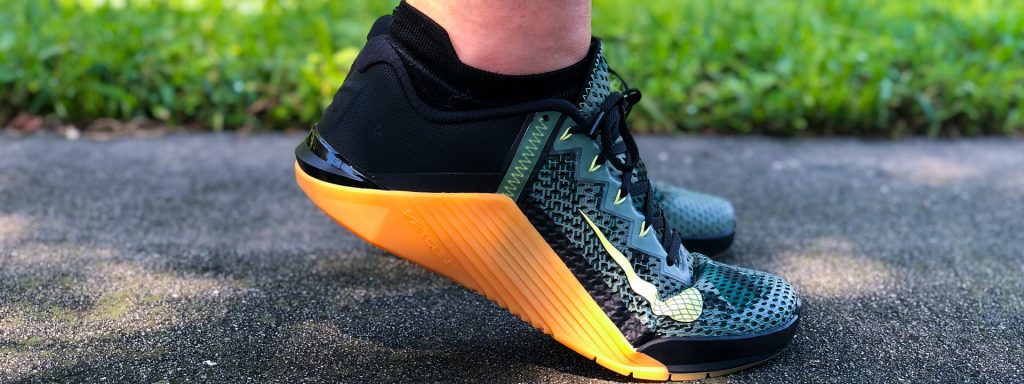
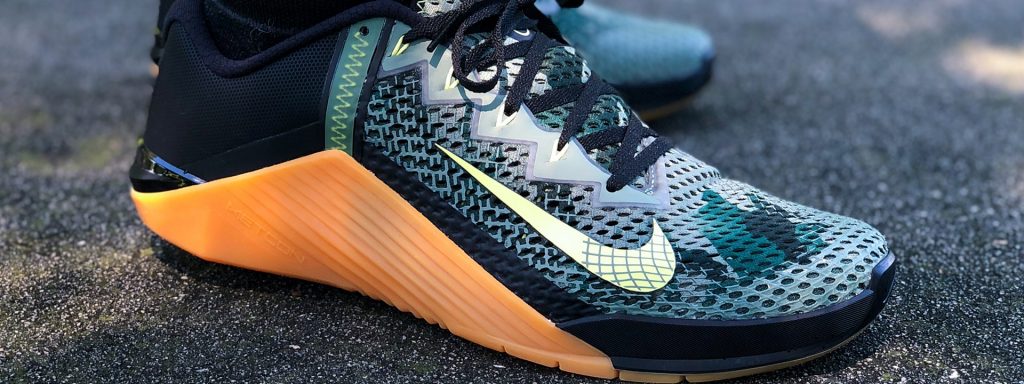
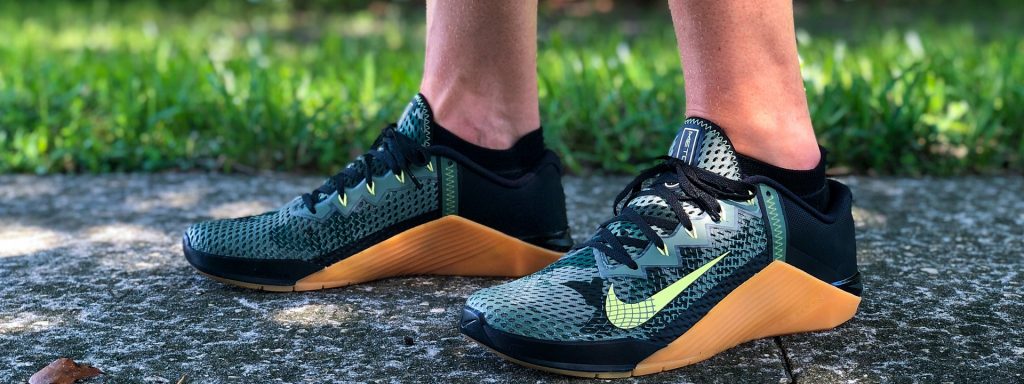
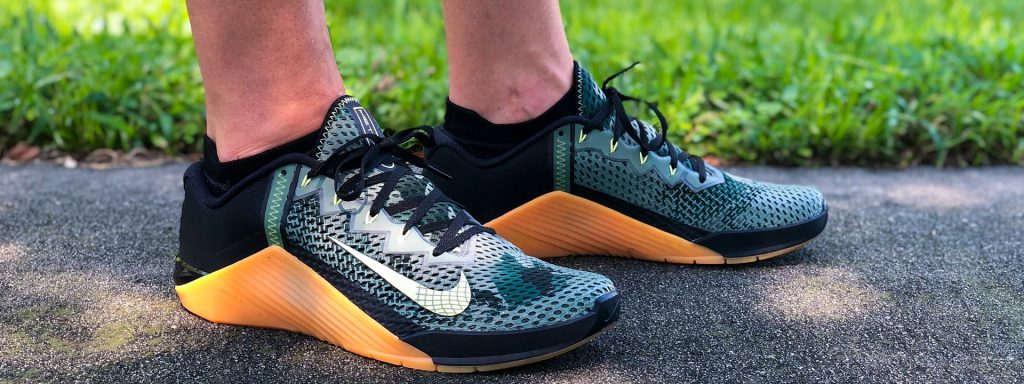
Nike Metcon 6 Performance Review

 The Nike Metcon 6 continues the evolution of the Nike Metcon line. It’s not a completely new design and that’s a good thing. Nike took what worked on the Nike Metcon 5, added a few extras, and created something better.

Primary Nike Metcon 6 competitors are the Reebok Nano X, UA HOVR Apex 2, and air jordan 1. We mention those competitors during the review so use those links to familiarize yourself with them if needed.

Fit

The Nike Metcon 6 is true to size lengthwise, but as usual with the Metcon line, it’s built on a narrow last. Wide footers will need to go up a ½ size, and even though it’s hard with the pandemic, I’d recommend trying them on somewhere. The narrowness is most pronounced in the heel and midfoot which keeps the foot locked in tight even when the laces are looser. The laces themselves snake through flywire loops that connect to the base of the shoe. If you have a really narrow foot, the flywire can get the midfoot fit even tighter and further locked down. Most people won’t need it, but it shows Nike prioritized lockdown.

The comfort comes principally from the dual-layered mesh upper. It’s the most comfortable and forgiving upper yet in the Metcon series. Your foot doesn’t feel trapped by plastic or rubber overlays. The gusseted tongue is also well padded so it won’t slip around and you won’t feel lace pressure. Finally, there’s room in the toebox for toe splay when you’re lifting heavy or need better balance. As long as you’re ok with the narrow fit (very similar to the Jordans 2021), the fit is comfy for a Metcon or CrossFit shoe.

Nike Metcon 6 Support

Support

I was initially worried about support since you sit so low in the shoe. I thought heel lockdown may be an issue. But the Metcon 6 locks you in tight and I didn’t even have to use the top lace hole. The shoe comes with heel wedges called Hyperlifts that go under the drop-in midsole for 8 extra millimeters of drop. The Hyperlifts are included to help with specific exercises like Thrusters or Wall Balls. When the Hyperlifts are placed inside the shoe the heel lockdown isn’t quite as good and I had some heel slippage. But the Hyperlifts are for specialized lifting so I don’t think most people will even use them. I didn’t find them helpful and stopped using them after my initial tests.

The high sidewalls, which are meant for help with rope climbing, do good work in preventing side to side movement within the shoe. The sidewalls flow into a low slung thick plastic heel counter and twin heel outriggers on either side. The outriggers prevent your heel from twisting too far inward or outward. The outriggers really shine on heavy squats. Your heel stays firmly planted to the ground when pushing as hard as you can into the ground.

The last area, the forefoot, is adequately supported via a thin plastic wall around the toebox. It’s a little thicker than the high sidewalls and prevents the ball of the foot from getting outside the toebox on wrenching side to side movements like you might do in a shuttle or cone drill.

I tried to get my heel to pop out or my foot to get outside the footbed but the Metcon 6 met every challenge. It’s got all the support you need.

Nike Metcon 6 Cushion

Cushion

Unchanged from the Metcon 5, the drop-in midsole is dual density polyurethane (PU). It’s denser at the heel for more stability with heavy lifts and plush at the forefoot for added cushion while running and jumping. As a nice touch, the type of foam and how it scored on the durometer test are written on the top of the insole.

Despite the dual densities, the ride of the Nike Dunk feels extremely smooth. The transition from heel to toe doesn’t feel like you’re on top of two separate PU foams. And the best part is it’s just enough cushioning to do box jumps, 800s, or mile runs that are often packed into workouts of the day. I wouldn’t want to run a lot of miles in them, but they’ll work for anything your gym’s whiteboard throws at you.

Nike Metcon 6 Materials

Materials

The front two-thirds of the upper is a dual-layered mesh with fuse connecting the mesh to a synthetic heel cup. The upper also puts fuse in some high torque areas. Interestingly, some screen printed material is placed on top of the mesh at high wear areas such as the toe. The screen print is a really cool solution and doesn’t add as much weight or stiffness as using fuse would. I hope the screen print makes it onto more models. I like it better than the rubber overlays used on the UA HOVR Apex 2 or rubberized mesh used on the KD 14.

On the inside, the quilted engineered mesh interior of the heel features a bunch of padding so you sink in. And, thankfully for those that working out without air conditioning, the breathability is awesome due to the upper’s large perforations. For me, now mostly working out in hot garages in Florida, the air flow was a life saver.

Nike Metcon 6 Traction

Traction

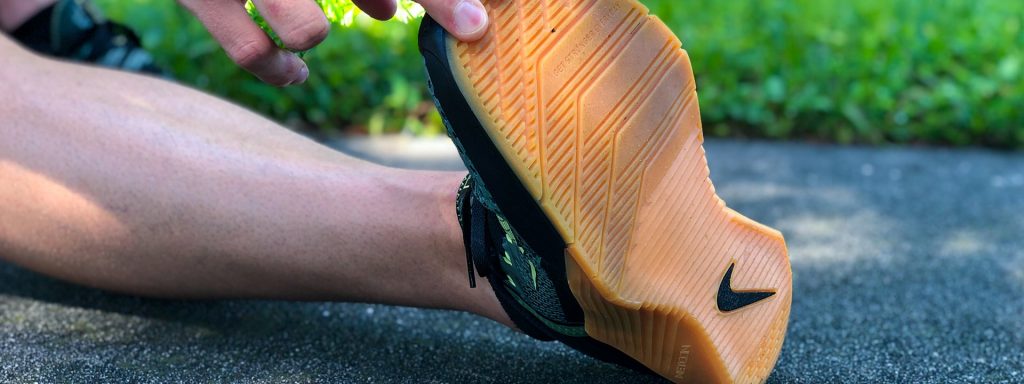
The traction pattern  is completely unchanged from the Nike Metcon 5. The horizontally bladed pattern works really well on slick cement, rubber mats, and asphalt. While the pattern itself is good, the real hero of the outsole is the rubber compound. It’s incredibly sticky and when you plant your foot, it’s not going anywhere. You’ll really enjoy the traction on shuttle drills, tire pulls, and agility exercises. You land, stay there, and are on the move again as quick as your brain can send the signal. Which is not always very fast when you’re near the end of a hard Metcon. LOL.

Nike Metcon 6 Overall

Overall

The Nike Metcon 6 brings a bunch of small changes, mostly in the upper, to the highly reviewed Nike Metcon 5. What Nike Training changed, they improved. The Metcon 6 is a workhorse of a shoe that delivers world class support, grippy traction, and amazing breathability. It has issues with a narrow fit, but if you can make the fit work, you have a shoe ready for any workout you tackle.

Thanks to Nike for sending a pair to test. Nike didn’t get any editorial control of the review. This review is based on our weartesters’ experiences using the shoes for HIIT, Metcon, weightlifting workouts, running, casual wear, and more.

2021年5月18日星期二

Why I Passed On The Kobe Ad Nxt FF

 If you follow me on social media I bought the NXT but sent it back mostly due to this

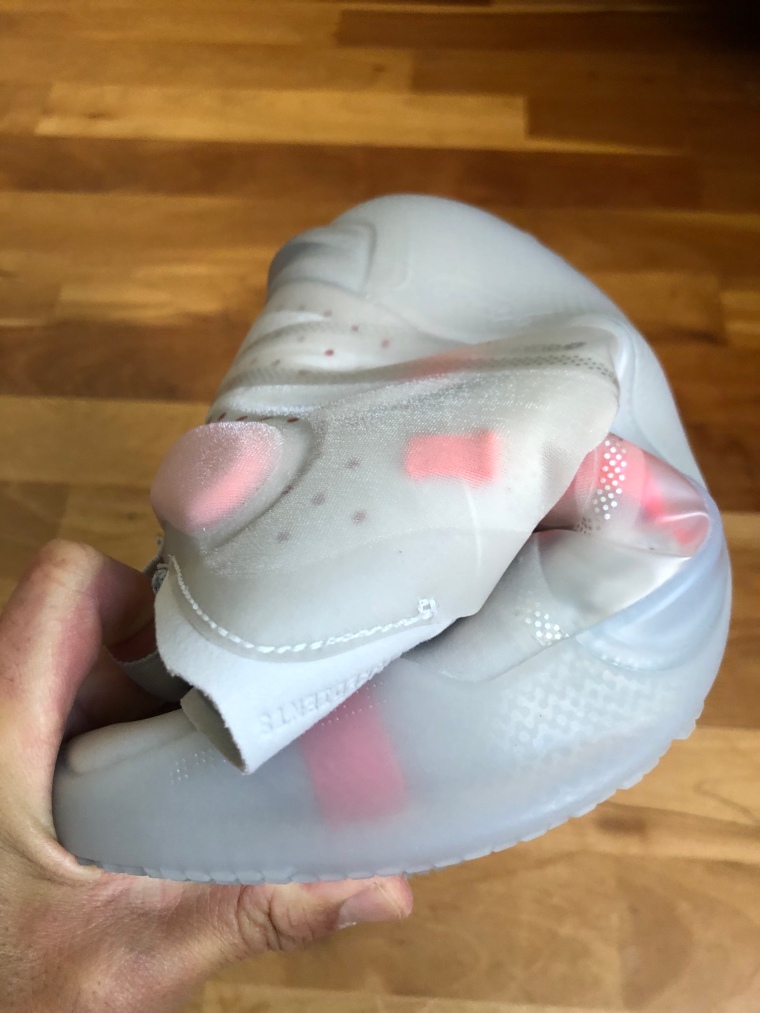
This is with the insole in btw I took pics without it as well. Not a trend I’m a fan of personally and I know MJ definitely wouldn’t wear anything like this.

After 10 months, I finally got rid of plantar fasciitis a few weeks ago with stretching, a night splint, stretching and surprisingly (sort of) some BOSU exercise.

Anyways, I decided I did not want to deal with PF again so why risk it with a shoe I don’t find attractive at all and it’s expensive (we all know schwollo pricing rule #1, everything goes on sale). In addition it feels so similar to the Kobe NXT 360 that I really didn’t need see the point.

But as a “reviewer” I did want to share my thoughts anyways and you can decide if it’s for you even though I’m sure there are 100 reviews out by now.

Weight

16 ounces so right on par with every other mid.

Traction

This pattern looks pretty good but given the history of translucent outsoles I’d guess you’d need to wipe fairly frequently. Probably very similar to the Kobe NXT 360

Cushioning

Yay another drop in insole. At least Nike has fixed my biggest peeves about drop ins which is the low side walls.

Nothing ground breaking here. Cushioning directly underfoot feels great but I can’t say it works any better than conventional set ups.

The insole is just a mix of REACT and Cushlon.

The little cut out is for the FF mechanism

If you like drop ins, you’ll like this set up. Very similar in feel to the 360 NXT. I wouldn’t consider it an upgrade or anything.

Fit

As with all Nikes and Kobes these fit true to size for me leaving me a finger width at the front. No heel slip walking around the house either which isn’t surprising.

The real marketing star of the show is the fast fit which really gives zero benefit to the wearer unless you’re really bad at lacing up your shoes.

You can see how thin these cables are but you don’t feel any pressure from them
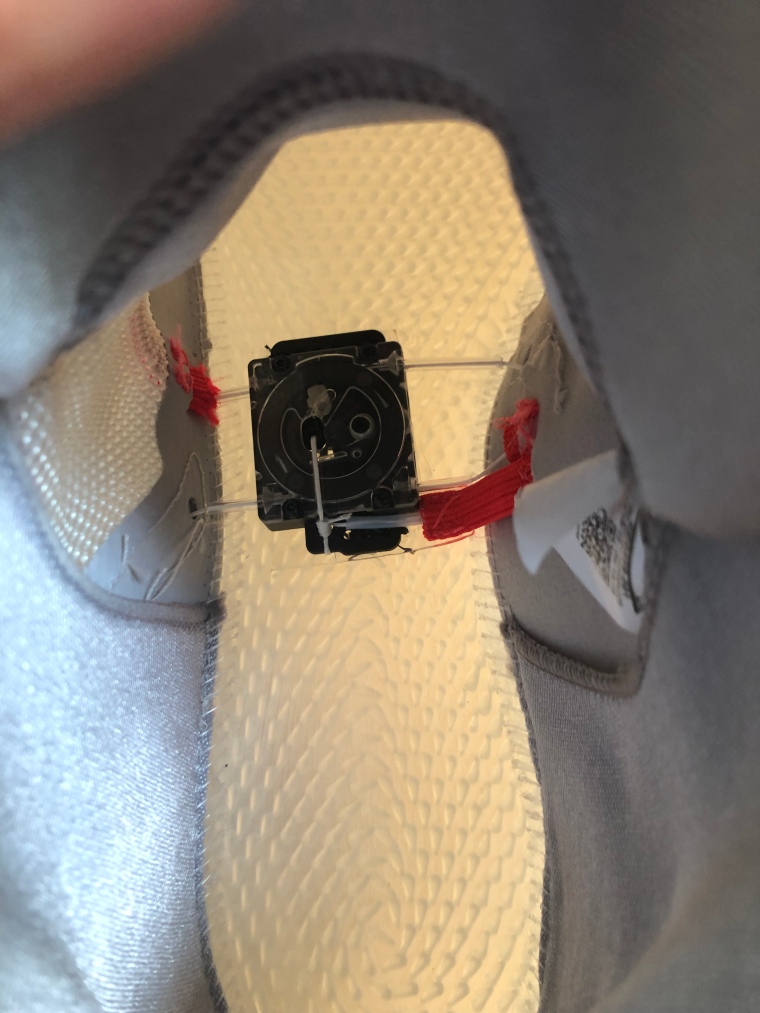
This is probably the first time I got a good look at fast fit. It’s a plastic wind toy.

Although it works well enough, Fast Fit assumes every player wants the same lace(less?) pressure so you really can’t tune it to your exact liking. I like more pressure over the midfoot and ankle personally. But FF works fine but once again there are non actual benefits to it. The AJ 34 already ditched it which is pretty unsurprising.

And yes I’ll try my best to review the jordans 2021. Looks pretty good to me all around.

Materials

MEHterials

Inspired by Kobe’s love of taking a shower and walking in the rain.

If premium feeling or looking materials are your thing these are not it. The outer layer is stretchy while the base layer is just mesh.

Support and Stability

No issues here although the higher cut doesn’t really have any structure to it.

Here is a shot of the shoe without the insole.

Stability is improved in the heel and isn’t nearly as rounded as the NXT and Exodus. I already sent these back and I forgot to take a pic. Sorry! Forefoot outrigger is stable as always See below

Containment

I don’t foresee any major issues here. Slightly raised midsole.

Conclusion

I didn’t actually wear them so there is no conclusion but if you’re a PF sufferer or want more midfoot support, look elsewhere. If you really want these, why pay $200 when they’ll go on sale soon? I’ve been too busy to write so instead of buying everything out there, I’ll wait for something I’m actually interested in. I’m still waiting on a better coloroway of the Alphadunk and of course the AJ 35. So hope have a review for those in the near future.

2021年5月17日星期一

Air Jordan III Retro Performance Review

 Hit the jump for full review…

Traction – The traction surface was much like the Air Jordan 35, performed well no matter what you were doing. Texture is abundant throughout and the giant pivot point did not hinder their performance at all. Out of the first three Air Jordan models, the AJ1 has been the most equipped where traction is concerned but the AJ2 & 3 are well above average.


Cushion – As you already know, my knees and legs cannot handle the cushion. The polyurethane midsoles are far too dense for me and even with an insole swap I was only partially pain-free until a certain point. There is some compression which is good but overall… it’s just not an ideal setup. If you are young, you won’t have much of an issue but for some of us older players, especially older players who can still run quickly, we need to be able to absorb as much impact as possible so our bodies can endure on-court play.


Material – The leather upper is decent enough and has some durability to it. Flexibility of the material itself was actually pretty good and I had no real issues with it. As far as the lighter grey panels… quite possibly the cheapest materials one could find were used and that is where I was irritated. Had I used the White/ Cement colorway, this may not have been a problem but this particular version left much to be desired with those panels.

Fit – The areas covered with eyelets were great. I experienced a thorough lockdown from the midfoot to the heel. When moving at a rapid pace and quickly changing direction, the forefoot was unable to handle the torque applied to the materials so that was a slight drawback as you could feel your forefoot slip a bit when enough pressure is used. Overall, I can’t really complain as this is common amongst kd 14 from the 80’s & 90’s so for what it’s worth, it did its job for the most part.


Ventilation – There wasn’t any… While there are perforations, they don’t puncture through the material completely so they are more for looks rather than serve a purpose. This caused the material to soften up while playing – trapping heat and moisture inside – but again, ventilation wasn’t as popular back in this era so it’s to be expected.


Support – The arch is sculpted providing you with a better fit and support while flexing the foot. I wish I could say the rubber heel cup worked but it wasn’t used as well as it had been in the Air Jordan II. All things considered, the fit from the midfoot to heel was substantial enough to where this didn’t hinder performance too much as a whole.


Overall – The real killer here is the midsole. Polyurethane is still used today for insoles but rarely for midsoles. Even when being used in today’s footwear, it’s accompanied by some sort of foam which absorbs most of the impact before it reaches the PU insole. Had the cushion been more protective, I think the Air Jordan III would have made a very good performance shoe. This is actually a model I’d like to see receive the ‘.0’ treatment… jordans 2021 anyone?

Basically… if you are young, these won’t hurt you too much. For those of us who have been playing Basketball since we were 11… our bodies have been abused to a point to where we need a bit more out of our shoes than just the ’basics’.

2021年5月14日星期五

Air Jordan VI (6) Retro Performance Review

 Hit the jump for full review and scores…

Traction – The Air Jordan 5 doesn’t exactly boast a specific traction pattern or surface & they don’t look to be overly impressive either, however, if kept clean they are actually very good at keeping your foot planted on the floor no matter what you were doing.

This was noted on a previous Performance Teaser but if you can keep the clear sections free of debris then your experience will be a pleasant one. I personally use a traction mat but you can easily bring a lint roller or a roll of duct tape with you to quickly remove debris from the sole… a good old f Jordan 1 Low SE Toggle Silver hand wipe is also adequate so long as you are consistent with it.


Cushion – This is just as it has been with the Air Jordan 3 & 4, AJ5 is a bit better, so prepare yourself for minimal cushion underfoot. The Polyurethane is dense and the Air Units are embedded within so you won’t receive a comfortable ride but the impact is being absorbed a little.

An easy solution to any cushion issue is an insole swap. There are plenty to choose from and can be catered to your specific needs. I opted to use the SofSole insole – not for cushion – and I will explain more a bit further down.

Material – With this particular shoe there are a variety of material options available depending on the colorway chosen. The reason I went with the Carmine colorway is due to the dual material layers placed along the upper which provided me with proper fit & support where I needed – leather sections – and maintained flexibility where I needed – mostly at the forefoot with the nubuck sections. Overall durability is pretty nice as well given that these are a newer Retro product and they were able to withstand heavy beatings on-court.

Fit – The overall fit is decent as is… nothing too spectacular. This was mostly due to the dead space inside the shoe since they have very little padding with the exception of the collar & heel. Going down to a size 8.5 versus my usual size 9 would have helped a bit but the length could have been an issue and caused toe jamming… which hurts like hell if you’ve never experienced it before.

In the Nike Air Force 1 Shadow section I mentioned the insole swap… the fit was the reason why I chose to replace the insole with a thicker one. The added height was able to lift my foot up enough to allow the materials to properly function which then provided me with a great overall fit and lockdown once fully laced.

Ventilation – Quite possibly the most well ventilated Air Jordan model within the entire lineup. Plenty of perforations are in place and they aren’t blocked or lined with excess materials hindering the air flow.

Support – Not much support is found other than with the fit itself. Materials will help with this so you need to choose wisely if you wanted to play in a pair. Like I mentioned above, if you want some material support and flexibility along the upper then this type of setup would work as far as materials are concerned. If you need more support than I would go with leather upper and for less support a nubuck or suede upper.

Overall – Not a bad shoe – in my opinion – but not the best either. It’s a shoe that offers many great attributes while falling short on others… like most shoes. If you require adequate traction (if outsoles are kept clean), durability & ventilation then the Air Jordan VI may be a good option for you. Their lack of cushion and inferior fit can easily be remedied with a simple insole swap which then makes these a very well rounded performer on-court.

2021年5月11日星期二

Nike KD XI 11 Performance Analysis and Review

 Is the KD XI an evolution or a step back ? (Pun intended)

For the past four or five years I’ve read and seen people yearning and pleading for real Flyknit, real Primeknit, this upper is too stiff, this mesh is just mesh, oooh this synthetic backing hurts my feet, give us a stretchy Primeknit upper etc…

Well guess what, Nike finally gave KD and the internet jockeys a super soft upper for a socklike feel and all I have to say is you got what you asked for.

Pros: traction when clean, not bad on dusty floors, a very well balanced and fun cushioning set up, stable outsole

Cons: traction bite could be better, needs some wiping on dusty floors, rides a few millimeters higher than previous KD’s, heel lockdown is acceptable after break in but could be better, support is lacking, containment feels like a broken in KD 14 or X

Sizing Advice: half size down unless you have super wide foot. Runs slightly long

Best for: lighter guards although everyone will like the cushioning. If you want a sock with a sole, look no further

Buying Advice: wait as always. KD is not MJ so just wait a month or two for price drops and coupons.

Weight

16.5 ounces so three ounces heavier than the KD IX Not a big deal to me but hey three ounces is three pounds to some #hitthegym I promise it won’t hit back. The distribution of the weight feels very off-putting at first since most of it is the midsole and below but you do get it in a few runs.

Traction

Works fine on clean courts, needs some wiping on dirty courts. On clean courts, the bite isn’t the best because it isn’t the super sticky translucent of the past but on the flip side, it doesn’t pick up as much dust as the sticky translucent. I have no major complaints about the traction since it is above average for a translucent and works adequately well on all surfaces. (At the same time I’m not excited about it either)

Cushioning

React plus Zoom. Yes please

I felt the KD IX and X were a little too squishy for me especially along the lateral side but this set up is a great combo. Imagine if the HD 17 cushioning had a love child with the KD8 full length Zoom set up and this is what you’d get.

Although Nike says they are both caged, the HD17 ribs feel softer to the touch than the KD 11. There is no give when you touch the cage of the Jordan 12 Low Easter

If you’re expecting Ultraboost softness you will be disappointed but if you want a set up that feels great underfoot with a nice bounce and without any lag, this is your set up. A thin 6-8 mm Zoom unit with no foam is not enough cushioning by itself so adding React to it just gives it just the right amount of ooomph. I do want to note that these sit about 25-26mm at the forefoot which is about 3 mm higher than the X but it only takes a little time to get used to it.

I think balance is the key to everything, including shoes and this set up is balanced just right.

Fit

Want a sock with a sole? Well KD did/does and that’s essentially what you get with the KD 11

I went half a size down with the KD XI not by choice but because I accidentally hit 10.5 on check out. Since it was limited to one pair I stuck with it and I think it’s the right choice for everyone except the widest footers. I had a finger width of space at the toe with a 10.5 and almost a thumbs width with an 11 that I bought a week later to double check sizing. You’d be surprised but you can actually fit more than one size and it isn’t life or death. Hell KD WEARS A FULL SIZE OVER HIS REGULAR SIZE DURING GAMES.

Anyways, comparing the size 11 and size 10.5, I just a had a better, more secure fit with 10.5 than 11 and didn’t experience width discomfort due to my wide feet. If you can’t try on in store, decide if you want comfort or a tighter fit and you can decide from there.

There is a good amount of heel slip to start with the XI mainly due to the placement of the top eyelets and the stiff outsole/cage.

You can clearly see a different in the top eyelet placement. If the XI moved it back a little more lockdown would be better.

Using such a soft upper with a stiff midsole just makes the shoe feel confused. However, if you’re patient, break in the shoe a few hours and allow the midsole to soften and bend, the heel slip dramatically goes down. I prefer more lockdown myself but I didn’t feel my heel moving all over the place like it did initially.

Materials

This upper is for the most part very soft with some overlays for strength. It is stretchy around the ankle collar and down the “tongue” but with less stretch around the outer portions.

However, it is not just pure Flyknit as you can see above. There is a thick nylon lining that runs throughout the shoe to give it more strength and support. It’s comfortable and slightly stretchy like a sock just like KD asked. Feels nice and comfortable and premium but does nothing performance wise in my opinion. Well it does but…

Support and Stability

Support comes solely from the fit and too flexible heel counter so support is only kind of there.

Err y’all forget to put piece of plastic in the heel counter Nike?

A typical heel counter, particularly Nike’s usually has a firmer internal heel counter that doesn’t have the flexibility this one has. I tried doing this with KD 7-10 but to no avail. I know a lot of people believe that support comes from the fit but if that were the case you could wear a sock on top of a sole or wear Nike frees and be okay. I believe it’s a combination of fit and firmness around the ankle but every person’s proprioception is different. Had the heel counter been firmer I think containment (see below) would have been better.

Stability is fine even though there isn’t an outrigger. It is the same width as the KD X at the heel and forefoot. No tippiness in the heel and the cage TPU is firm to keep things upright.

Containment


I’ve noted or mention before that the KD IX containment got worse over time due to break in and stretching. With the XI, the upper is already stretchy and broken in so you get that same feeling especially on hard cuts or changes of direction. As most of you know I don’t like the feeling with any brand including Brandblack’s JC2, 3, Jordan M12, Lebron XIV XV etc,l…the list goes on and on.

Why is the containment poor in the XI? KD wanted a sock like feel and that’s what he got, simple as that. Nike could have raised the outsole to created a physical barrier but they didn’t. Does that feeling affect my play? No not really but why settle for something I don’t like when I have hundreds of pairs of other shoes.

Conclusion

I wasn’t sure how to approach this review because there are a few things I really like and dislike about the KD XI which are all preferences and aren’t measurable at all. But there is also quantifiable data (ie stats) that show me that feel isn’t real and I’ve been wasting my time reviewing shoes. In other words, I got buckets and played great in these. But at the same time, based on my methodology and “scoring” of these, I really shouldn’t like them all that much. Hell, maybe I all the practice I put in actually paid off? #itainttheshoes

If containment isn’t something that bothers you, you’ll probably love the shoe. If it is something that you weight heavily in your shoe decisions, you will hate the shoe. If it affects how you play in your mind, you’re going to hate the shoe. If you have enough confidence in your ability to play the game itself, the shoe won’t affect anything at all. It won’t affect your shot, your passing or ability to think. If the 2nd best player in the world is playing in this shoe for millions of dollars a full size up from his normal size, you’ll be ok making buckets at a dirty 24 hour fitness. One of my teammates got the exact same pair as mine and he loves loves them so don’t let any review from an influencer actual well..influence your decision. Buy what you want not what someone else says is the “best”.

Overall, I find the KD XI a very attractive shoe that does a nice job bridging the gap between off court style and on court functionality. It has decent traction, excellent balanced cushioning, a pretty good fit after break in and a sock like feel (and support for that matter).

*I mentioned the off court appeal because 90% of consumers don’t buy shoes for their intended use*

Is the KD shoe for me? The KD XI works adequately for me but as you all know I want my shoes to excel at everything and while the jordans 2021 has its strengths, I have plenty of other shoes that far outperform its weaknesses such as containment and support. If you wanted a sock like shoe with great cushioning this is your shoe but if you want a little more of everything like I do, there are better shoes at a lower price point.

Overall rating : third team

2021年5月10日星期一

PUMA RS Dreamer Performance Review

 We now live in a world where a very respected and influential rapper has a legit high performing signature basketball shoe. The PUMA RS Dreamer, J. Cole‘s signature basketball shoe, is the real deal. As you’ll see in the performance review, this is a shoe you can trust on court.

Traction

PUMA’s rubber compound for its performance basketball footwear has been consistently good and the RS Dreamer is no exception.

The pattern, inspired by a feather, looks a bit sketchy in terms of performance, especially on the lateral side, but they proved to be really good on court. Every surface I took them to had the same results, which is a great sign in terms of consistency.

If you’ve played in previous KD 14 For Sale offerings then you should know what to expect by now. Solid traction both indoors and outdoors.

Cushion

Like it’s traction, PUMA’s cushioning has been pretty consistent too. Only, this time around, it’s not exactly a compliment.

While the ProFoam gets the job done, it’s firmer than almost any other EVA setup used by other brands. When the midsole is thinner, as it was on the PUMA Clyde Hardwood, then it’s tolerable. However, when it’s implemented in a slightly thicker midsole, you can end up with something that feels a little dead underfoot. There is no real rebound or bounce back with the foam. It’s just there. Swapping the insole out for something more comfortable underfoot will help a lot, but if PUMA wants to be a true contender in the performance category, it needs better cushion tech.

Materials

This is another consistent category for PUMA Hoops as the materials are quite nice. Not as premium as the Clyde Hardwood, but still nice.

Textile mesh is used as the primary build while smaller patches of suedes are used. This gives the RS Dreamer a moderate blend of both old and new. The raw materials give you a 90s feel while the textile gives the current generation a modern fit and feel. No break-in required — other than the ankle collar — as the shoes feel game day ready fresh out the box.

Fit

The PUMA RS Dreamer fits true to size. If you want a super snug fit you could go down 1/2 size, but I feel true to size will be the best option for most players.

Lockdown is solid from heel to forefoot. The only thing to be aware of is that the textiles will start to stretch out a little once you begin to play in them. You may need to go back and readjust the laces after a game or two to get them to your preferred amount of snug. Otherwise, I had a great time playing in them.

Support

Support is similar to the Clyde Hardwood. You sit within the midsole a bit so that helps keep your heel and forefoot on the footbed. The rest of the support comes from standard features, a midfoot torsion shank and the fit. Nothing to really complain about or highly praise. They get the job done and that’s exactly what most of us want from support.

Overall

The PUMA RS Dreamer is for sure one of the best looking basketball shoes of 2020. The cushion is the only thing that needs tweaking. Once PUMA gets better cushioning, I think more players will be willing to try them out on court over industry heavy hitters like Nike, Jordan, and adidas. Fingers crossed it doesn’t take too long. Time is of the essence when it comes to footwear. The sooner PUMA gets some real cushioning, the better.

In the meantime, if you buy a pair of the Off-White X Nike Dunk Low, then you should be fairly satisfied. They check all the other boxes. Again, an insole can help with the cushion until PUMA can get a better blend of foam or ETPU.

You can also watch the full performance review on YouTube to see on court footage.