2021年2月4日星期四

Nike Infinity Run vs Infinity Run 2

 Our Nike Infinity Run vs Infinity Run 2 comparison highlights all the similarities and differences so you can decide if you want to buy the new Infinity Run 2 or stick with last year’s original Infinity Run.

Last year’s Nike React Infinity Run was one of the best running shoes of the year. Some reviewers, including Jodi and I, named it our best everyday running shoe of 2020. And it released during the first week of 2020! To grab the best everyday running shoe title and then maintain it all year like that is extremely impressive.

Can the Infinity Run 2 possibly live up to the sterling reputation of its predecessor?

Infinity Run vs Infinity Run 2: What’s the same?

  • Cushion. The full length React midsole of the Infinity Run returns unchanged in the Infinity Run 2. That’s a good thing. The fat slab of React was the best thing about the original. And because it’s the same one used on the original, we know it lasts hundreds of miles without losing that plush React feeling.
  • Traction. The outsole is also exactly the same. It’s got full heel to toe coverage with some well-placed flex grooves in the forefoot. Again, not a bad thing. The traction is amazing in wet conditions and extremely durable. Most people got 300-400 miles out of the Infinity Run, in part because this outsole wears so slowly. Not messing with a really good thing was the right move.
  • Rocker Geometry. The rounded midsole shape returns. Nike running used it to make the heel to toe transition super smooth and it delivered. I know plenty of folks that are glad it’s back. It gives you a Vaporfly-like feeling in your daily training shoe. The Infinity Run 2 does come with the same beefy arch that bugged some people, but I think the majority of people enjoyed the extra arch support. So if it annoyed you, take note.
  • Support. Both shoes have the same wide midsole and TPU clip. The heel clip extends from the heel to midfoot on the lateral and medial sides of the shoe. Thanks to the new, more padded upper, you won’t notice the TPU clip as much in the Infinity Run 2. You get the same great support but in a comfier package. That’s a win.
  • Offset. The original’s 9mm drop returns in the Infinity Run 2. Anything 8 to 12mm is a fairly standard running shoe offset.
  • Price. Nike kept the $160 price point the same. While $160 is on the higher side of the everyday training shoe price continuum, the Infinity Run earns those extra dollars with its performance. That said, a higher price would hurt the value prop. I’m glad Nike matched last year’s price.

Infinity Run vs Infinity Run 2: What’s different?

  • Fit. This was where the original Infinity Run got the most complaints. In the Infinity Run vs Infinity Run 2 battle, it’s why I’d choose the Infinity Run 2 as the winner. The accommodating, wide last returns. But the original’s sock-like fit doesn’t. For some people, the sock construction compromised the lockdown. I heard plenty of reports of heel slippage. Some foot shapes had the issue. Others, like myself, didn’t. The Infinity Run 2 still has a flyknit upper but the rear portion of the shoe is well-padded. There’s also flywire used for the lace loops. The flywire extends down the foot and connects to the midsole. The new lacing structure combined with the plush heel collar vastly improves the fit and lockdown. It’ll surprise me to hear reports of heel slippage in the Infinity Run 2.
  • Materials. Both uppers are flyknit. The Infinity Run 2 uses more padding on the tongue and collar. This prevents another occasional complaint. Wearing your socks too low in the Infinity Run invited blisters at both the top of the tongue and achilles. Again, it didn’t happen for everyone, but I’m glad it’s no longer a problem. And sticking with a flyknit upper was the right call. The toe box is still roomy and stretchy for toe splay. The flyknit also allows the Infinity Run 2 to maintain high breathability. Just like the original, the second Infinity Run will be a good summer shoe. There’s only one materials-centric item to note on the Infinity Run 2. The tongue connects directly to the upper and is mostly thin flyknit. If you pull the tongue hard, you may bust some stitches connecting the body of the tongue to the padded top. Doing so won’t ruin the shoe, but it’s a watch out. Unlike other running shoes, you don’t need to yank the tongue into place, it’s already there and can’t move much.
  • Weight. In the men’s size 10, the Infinity Run weighs 10.3 ounces and the Infinity Run 2 weighs 10.7 ounces. You get a lot of extra upper comfort for those 0.4 ounces. It’s a worthwhile trade.
Nike Infinity Run vs Infinity Run 2 Sideview 4

Infinity Run vs Infinity Run 2: Overall

The Nike Infinity Run vs Infinity Run 2 is a comparison of essentially the same shoe sporting different uppers. They’re both the same price and feature the same great cushioning and outsole. The upper’s fit and comfort are the big difference.

If you currently run in the original Infinity Run and don’t have issues with the fit, you don’t need to get the Infinity Run 2 right now. But, be confident that when you do end up buying the new version, it’s an upgrade.

If you, like several others, thought the original was great except for the potential collar hotspots and lockdown issues, then the Nike Infinity Run 2 is exactly what you want. Nike solved almost everything that bothered runners and made the entire shoe better. The more comfortable, better fitting upper is a big success. High fives for the design team.

The original jordans 2021 line was the best shoe for wide footers in Nike’s line upon its release last January. With the introduction of the Infinity Run 2, it’s still a wide footer friendly, great everyday training shoe, but now it’s even better.

 

2021年2月3日星期三

Nike Zoom Pulse Performance Review

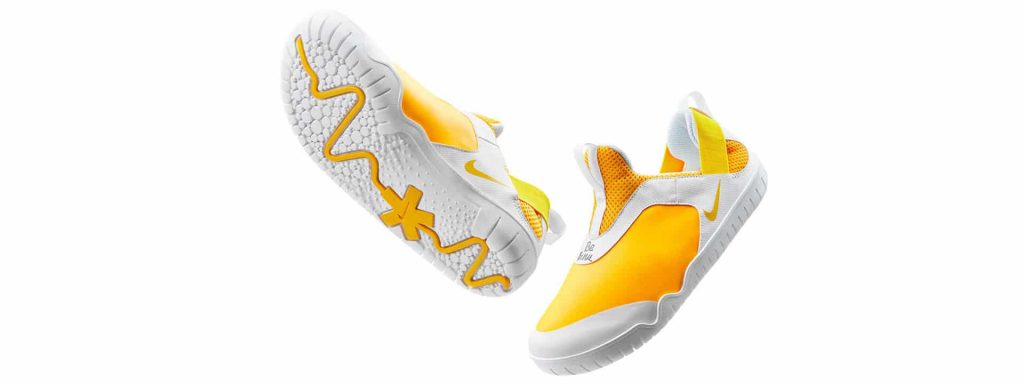
 The Nike Zoom Pulse, built for and tested by nurses, promised to be the perfect combination for me, a nurse of 27 years, who’s spent a lifetime wearing and mostly loving Nike sneakers.

The shoes were revealed by Nike in November of 2019. Nike designers worked with the input provided by healthcare workers at Doernbecher Children’s Hospital and Oregon Health & Science University. Unbeknownst to us at the time, Nike had designed a shoe in recognition of frontline health workers mere months before the horror of a global pandemic. Suddenly, the recognition of our healthcare workers was in the forefront of all our minds.

The kind folks at sneakernovel sent me a pair to try out. I’ve spent the last two weeks, roughly 85 hours, putting them through their paces.

This review is a guest contribution from Jonathan Faulkner. Jonathan is a registered general nurse currently working as a clinical education practitioner at Queens Hospital in England. He’s a long time watcher and reader of sneakernovel.

Materials

Though you would presume the most important aspect of a Nurse’s footwear is cushion, that’s actually the second consideration. The first is always materials. A shoe that’s not easy to clean, no details required, is not going to be worn in any healthcare setting. 

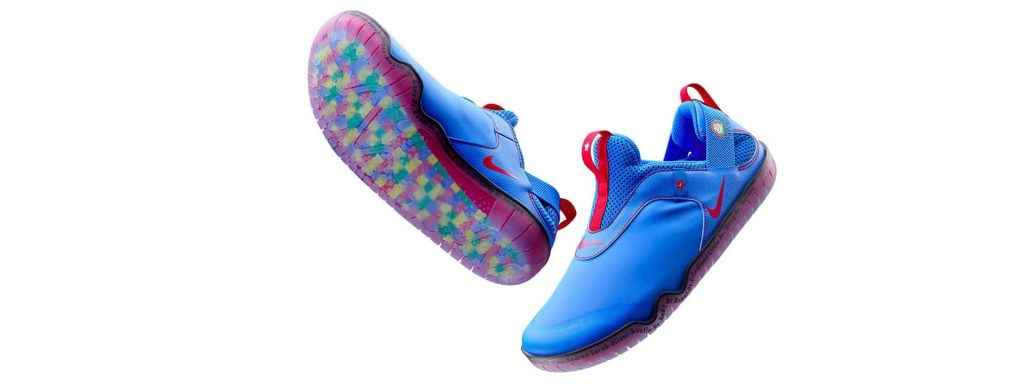
The Nike Zoom Pulse is primarily made from a water-resistant material and features a laceless design. The upper is made of a synthetic polyurethane-coated material, with a reinforced overlay on the toe box acknowledging the need to use many medical devices operated via toe lever. 

The slip-on design has two pull tabs. One of the two at the rear, linked to the elastic strap extending from the mid point of the shoe to surround the flexible heel. There is also a rubber sole, with deep grooves and what feels like a very hard and durable rubber compound. In all, the materials are deliberately and clearly functional, chosen to be easy to clean and durable, fitting the brief for the intended wearers perfectly. 

The materials and blocking used also allow for a lot of flexibility in design. My pair are the Black/Teal Tint/White/Blue Hero version, where the small swoosh and asterisk insignia on the pull tabs and elastic straps are the focal points for the minimal flashes of color. The materials pattern flexibility can be seen to greater effect in some of the other more outlandish and bright colorways. Those designs are much better suited to Nurses and healthcare workers working with children.

Nike Zoom Pulse Cushion

Cushion

Cushion wise, the Zoom Pulse uses a Zoom Air unit in the heel and a soft foam to provide that much needed comfort throughout the working day. I can’t find any details on the size or dimensions of the Zoom unit. I was prompted to look for specs because I could not feel the unit at all, either on the first step in or at any point during a shift. Having said that, the set up is nevertheless comfortable. There’s no denying the comfort, but there is not a feeling of having a Zoom unit underfoot at all. 

The Zoom Pulse also features good arch support and the insole, which is removable, is a nice plush insert. Despite not being able to feel the advertised Zoom heel unit, the comfort of the set up maintained throughout a 12.5 hour shift. During a typical shift, I walk approximately 5 to 6 miles. Over the two weeks of testing, they felt slightly more comfortable by the end. I attributed the increase in comfort with the elastic strap at the back and the overall heel fit breaking in to better accommodate my foot. Don’t get me wrong, they were comfortable from the start, but if I were to give them an 8 out of 10 for cushion and comfort at the beginning of testing, I would give them an 8.5 by the end of the two weeks.

Nike Zoom Pulse Traction

Traction

The rubber sole and the tacky stiff compound used in the rubber provides a great bite. The surfaces we work on are a type of linoleum. They’re maintained to be pristinely clean. The reason these shoes have such great traction is the interaction between the shoes and these particular surfaces. The sole has a pattern made primarily of varying sized circles. The central design motif consists of an ECG rhythm and an asterisk type symbol (also repeated in other elements on the shoe). The deep grooves incorporated into the pattern allow a good amount of flexibility. Though the go-to for outsole traction will always be herringbone, the pattern and the rubber used here are great. 

On the occasions when there was a sudden requirement to move quickly, and especially when I inadvertently came into contact with fluids on the floor, again I won’t provide any detail, the shoes always, without exception, maintained their traction. That instilled great confidence whilst wearing them. The fact that the grooves are relatively deep also allows them, as with the rest of the shoe, to be easily cleaned.

Support

The cut here is really low, disconcertingly so, and the low coverage around the heel and ankle is a concern. However, the construction of the shoe, fit and the midfoot arch provide a good feeling of good support. 

One of the few negative elements I found in the Zoom Pulse is linked with the support. That’s the lack of laces. On one hand, the ease of a slip-on shoe that’s so easy to keep clean is absolutely great. On the other hand, the ability to adjust a shoe to a more individual degree, like laces provide, has a direct influence on feeling truly supported. I have a lot of colleagues who like using clog-like footwear but it’s not something I’m a fan of support-wise.

Fit

I normally wear a US size 9 and sometimes a 9.5 in narrower shoes. My foot is on the wide side. The Zoom Pulse I tested was a US size 9. They fit very well, definitely true to size. The elastic strap at the heel pushes your foot right into the shoe and encourages a very snug fit. This is required due to the lack of laces. There are no pinch points. Though I was worried the heel might dig into my achilles when I first unboxed the shoe, it didn’t. 

If possible given current conditions, I really recommend trying these on in person. The fit is paramount as no further adjustment can be made with the slip-on design. The snug fit and waterproof materials used also make this a warm shoe to wear. There’s no ventilation whatsoever…though the low cut does provide some much needed relief.

Overall

The Nike Zoom Pulse isn’t perfect, but they’re pretty close.

The attention to detail in meeting the requirements for the medical professionals these shoes are intended for is excellent. They are easy to clean, easy to pull on and off, and are very comfortable. That’s the holy grail trifecta right there. 

The pros massively outweigh the minimal cons for these shoes. Though I prefer a shoe to have laces and a higher cut and I see these omissions as a negative, I’m fully aware that having both these features in place would negate some of the main benefits of the shoe. For that reason, I’m willing to look past them. One of the greatest compliments I can give to the Nike Zoom Pulse is how quickly I forgot that I was wearing them. In other shoes, I’m often aware of how my feet feel in them throughout the shift and their weight especially. With the Zoom Pulse, that wasn’t the case. The occasional reminder I had them on came mainly as a result of colleagues asking “What are those?”

I heartily recommend these shoes. When they were first released, they sold out swiftly, but are now more widely available. My only hesitation is the current price, I think $120 is $20 higher than they should be priced. But overall, I think these will be a great purchase for healthcare workers, even if they’re a little expensive.

2021年1月30日星期六

PUMA Clyde All-Pro Performance Review

 The Puma Clyde All-Pro is our surprise best basketball shoe of 2020.

While 2020 wasn’t ideal for playing basketball indoors (or outdoors in a lot of places), the brands released some really good on court performers. The Clyde All-Pro managed to beat some really good shoes like the Nike KD 13, adidas DON Issue 2, and others on our Best Basketball Shoes list to take the top spot.

Traction

The traction is simply fantastic. No problems from start to finish. And I don’t feel like I’m done with the Clyde All-Pro just yet as they’re in my bag every time I head to the court.

Coverage is multidirectional in all areas and you can feel the grip bite the floor on every step and change of direction/speed. Utterly fantastic setup. This is traction we haven’t felt underfoot since the Nike Kobe 9.

Cushion

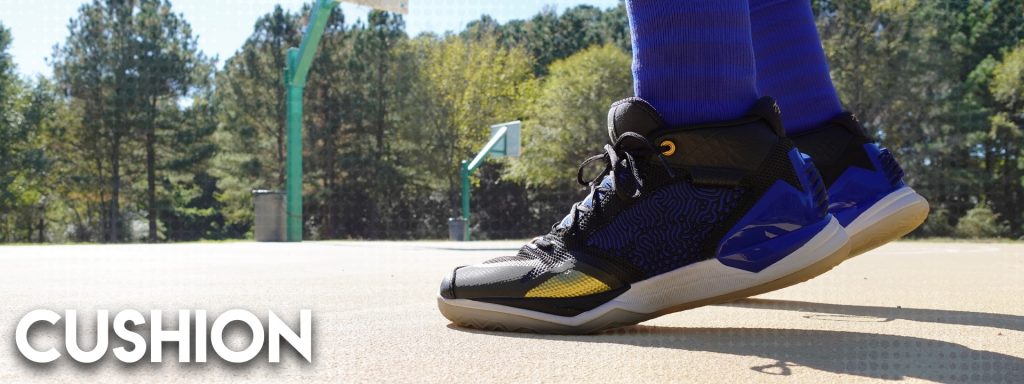
Puma Hoops shoes had one glaring issue on each of its new basketball shoes. That issue was a lack of cushioning. ProFoam is the brand’s go-to foam compound, but ProFoam+ is the best cushion they’re created. Yes, there’s a Pebax puck in the heel for cushion and impact protection, it works great when in use, but the star of the show is the ProFoam+. Whatever they did to change the compound wound up making the midsole a great balance of court feel, cushion, and feedback/responsiveness.

Due to current conditions I tested the Clyde All-Pro 100% outdoors. Playing outdoors is a cushion’s greatest test, and this cushion setup held up well against the rigors of outdoor basketball.

Materials

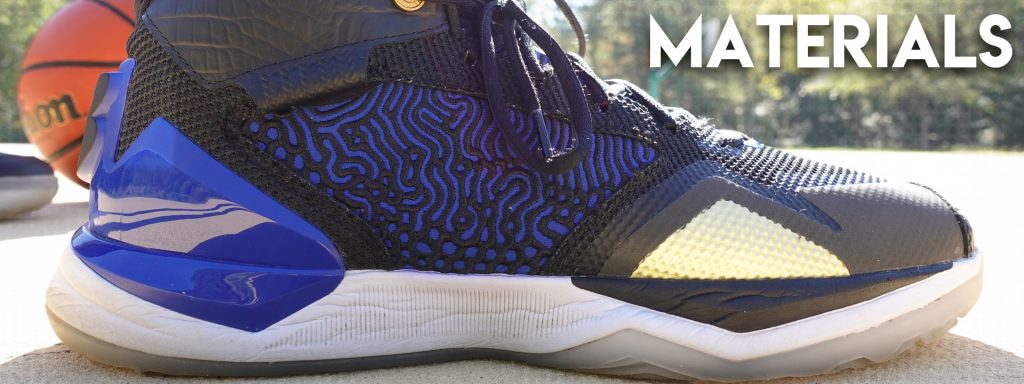
The build is touted as being a “seamless, lightweight woven upper with multi-zoned materials for targeted support and breathability.” All of which is true. While the materials lean a bit towards the stiff side of textiles, once broken in they feel amazing. Snug, form fitting, flexible and zero stretch in high-impact stress zones. They’ve remained durable as well. Which is a huge plus considering all the outdoor basketball most of us are doing.

Fit

I went true to size and that’s what I’d recommend. Wide footers may want to go up 1/2 size due to the zero-stretch fibers featured throughout the upper.

If you enjoyed the way the Kobe 9 fit, then you’ll feel like you’re right back in the driver’s seat. Snug, supportive and form fitting. There isn’t anything for me to complain about or criticize. The Puma Clyde All-Pro is a great basketball shoe.

Support

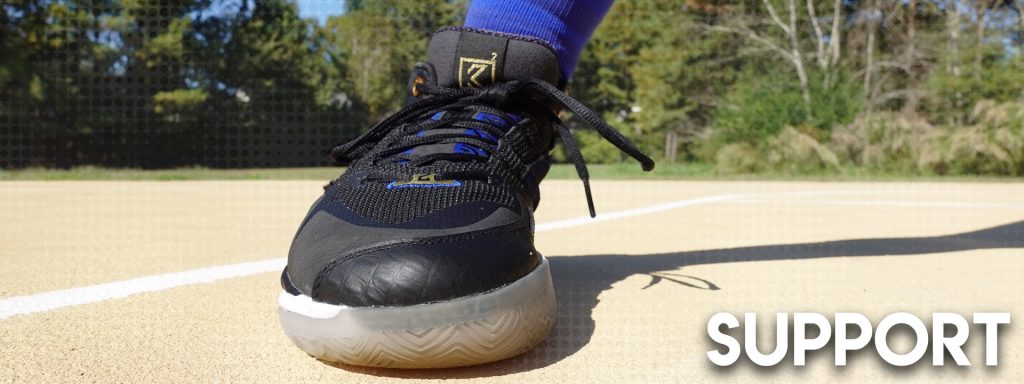
The support features are pretty standard at this point. There is a small outrigger, torsion bar, and internal heel counter. The fit/upper is where the support features are allowed to do their thing without giving it much thought. You lace up, play, and enjoy the game. The Clyde All-Pro is everything you want a basketball shoe to be.

Overall

Ever since the first day I played in the Puma Clyde All-Pro, I’ve called them the Kobe 9 reincarnate. While you typically wouldn’t want your shoe to be so closely compared to another brand’s model, the Kobe 9 is one of the greatest basketball shoes of all-time and this is a better version of that shoe. The few areas that needed improvement were improved. What you end up with is a beast that can handle anything on court.

If you enjoyed the jordans 2021, then you will likely enjoy these. If you never played in the Kobe 9, once you play in the Puma Clyde All-Pro, you won’t need to.

2021年1月19日星期二

New Balance Kawhi Performance Review

After a big return to performance basketball in 2019 with the New Balance OMN1S, the New Balance Kawhi is the company’s second basketball model. Was New Balance able to recapture the magic in 2020 for its sole signature athlete, Kawhi Leonard? Let’s find out.

Traction

The data driven pattern used for the New Balance 327’s traction must be pretty specific data. I noticed (after over a month) that each shoe features a unique outsole. I shouldn’t say entirely unique. Each sole has a similar style pattern, wider-spaced grooves around the lateral edges, and a heel with a more compact pattern on the medial side of the foot. The patterns themselves, however, are far from exact and presumably based on dominant foot versus non-dominant foot.

Nerdy stuff aside, the setup performs well. Dust is heavily attracted to this translucent compound but it seems the compact, more aggressive traction under the ball of the foot bristles dust and debris to the outer edges. At the edges, wide grooves hold dust away from the rubber that contacts the floor.

In the dustiest setting, where I primarily ran full-court 5-on-5, I only recall needing to wipe between games. But I still needed to wipe. I also played outdoors where the rubber seems like it should last a decent amount of time. Given the Kawhi’s higher price tag along with some noticeable wear down, use them outdoors with caution.

New Balance Kawhi 1 Cushion

Cushion

FuelCell foam makes up the midsole and there’s a bit more of it than in the New Balance OMN1S. Given this thicker slab and some extra support in the Kawhi, it’s not quite as smooth a ride as the OMN1S. The ride is still good, but you’ll need some break-in time.

Court feel is also not as abundant, yet this iteration of FuelCell retains stability. After playing outdoors I could feel it in my knees a little bit. Indoors, the Kawhi does the job with ample impact protection. This is especially true in the heel where the performance plate sits between the FuelCell and another thin slab of foam.

It’s not my favorite setup under foot, but I’d choose the New Balance Kawhi over plenty of other midsoles.

New Balance Kawhi 1 Materials

Materials

The construction of the New Balance Kawhi is even more elaborate than it appears from a glance. And I think that’s a good thing. The midfoot embroidery (which is also data driven) and the textile, synthetic, and raw material layered paneling all lends itself to support and durability.

At its core, the Kawhi is a one-piece bootie, but not the stretchy type you’d expect. Some may have trouble with this type of construction when combined with the many different material layers of materials. Remain patient and it’ll all break in and age nicely. Just like many of the tanks that released in the 90s. It’s a good shoe to “get that old thing back”.

New Balance Kawhi 1 Fit

Fit

Based on my experience with the OMN1S and OMN1S Low, I received a pair a half size down from my true size and I’m happy with that. I think it would run too long in my true size.

Expect a very snug fit to begin with. You’ll also have some difficulty getting your foot into the shoe unless you have a very narrow foot. However, as I mentioned already, the shoe will break in over time and improve this experience.

The New Balance Kawhi is not offered in wide sizes. I’m not sure how wide foot friendly this will be at true size, but that would be my recommendation. Definitely don’t go down a half size and beware you might have too much space up front in your true size.

New Balance Kawhi 1 Support

Support

By far the best attribute of the New Balance Kawhi signature, in my opinion, is the support. When you think about it, it makes sense. The shoe was made for a man widely viewed as the best two-way player on the planet. He’s listed at 6’7”, 225 pounds. The same shoe made for him is what you’ll get as a consumer (minus a logo swap on the heel for most non ‘4 Bounces’ colorways.

Initially, it felt like almost too much support. Really what I’m trying to say is, they felt bulky. Stiffer midsole, stiffer materials, noticeably high arch area, heavier weight, et cetera. But as the shoe began to break in and mold to my foot, it quickly became one of the, if not the most, secure pair in my rotation.

The only area of concern had I had support-wise was the heel lockdown due to what I thought was an external heel counter issue. It turns out it was more of a material issue that faded away with more wear (thankfully). Everything else in addition to that big plastic heel piece is great for support. From the enlarged plastic torsional plate, the base width, the fit, and the materials all help support your foot. The Impala references on the Kawhi are fitting. They are built like an old school classic car.

New Balance Kawhi 1 Overall

Overall

I’d recommend the New Balance Kawhi to anyone except those who don’t have the patience to trust the process of breaking in the shoe and/or view the weight as a dealbreaker. Of course, if you’re a Kawhi fan, go for it. But for any hooper, I think there are benefits no matter your playing style. I’d especially recommend the Kawhi for bigger athletes that are looking for more support.

Thanks to kyrie 7 for sending a pair to review and everyone involved in allowing me to experience the Kawhi in this ‘4 Bounces’ colorway. New Balance has another solid performer on its hands and I look forward to what the brand does next.


2021年1月18日星期一

Our Favorite Air Jordan 11 Lows

 Three things were certain during Michael Jordan’s playing career: he was going to average at least 20 points per game during the regular season; he wasn’t going to take to the court without his UNC Tarheels practice shorts underneath his Bulls uniform; and, on some nights he was going to trade in his high-top Air Jordans for low-top counterparts that gave him yet another advantage on-court.

His Airness wore low-top versions of the Air Jordan 1 and 2 in the 1980s and continued the trend a decade later in the ‘96 NBA Playoffs in the Air Jordan 11 IE Low. The Jordan 11 Low is now an established model in the collection which has allowed Jordan Brand to flex its creative muscles by offering plenty of exciting looks, including the new Air Jordan 11 Low “Concord Bred.” Save for the Air Jordan 1 Low, the Jordan 11 Low offers the greatest array of low-tops in the signature series. We’ve rounded up a few of the many great colorways of the silhouette.

Jordan 11 Low White Bred

Air Jordan 11 Low “Concord Bred”

The Air Jordan 11 “Concord Bred” is the latest combination colorway in the Air Jordan collection and one that could have easily been used to launch this all-time classic in 1996. The black patent leather seamlessly connects two of the Jordan 11's most beloved looks. From the mudguard up it looks like "Concord," and from the mudguard down it looks like "Bred."


Air Jordan 11 Low UNC

Air Jordan 11 Low “UNC”

Designs like the Air Jordan 11 Low “UNC,” which was originally released in 2001, give credence to the argument that the early 2000s were a special time in Jordan Brand’s history. “UNC” colorways are now commonplace because of models like this one.


Air Jordan 11 Low Derek Jeter Re2pect

Air Jordan 11 Low “RE2PECT”

Based on the extremely rare Air Jordan 11 “RE2PECT” that was released only via a raffle system across from Yankee Stadium the day of Derek Jeter's retirement ceremony, the low-top version is a worthy substitute for all of us that have no chance at ever getting the mid-top.


Air Jordan 11 Low Cool Grey

Air Jordan 11 Low “Cool Grey”

The original Air Jordan 11 “Cool Grey” was created with the intention of capturing an audience that wanted to wear Air Jordans as lifestyle shoes in the early 2000s. Its legacy was sealed when Jordan wore the shoe with the Washington Wizards. For the low-top "Cool Grey" release, Jordan Brand switched the ballistic mesh upper to nubuck.


Air Jordan 11 Low Closing Ceremony

Air Jordan 11 Low “Closing Ceremony”

Celebratory in its appearance with a gold leather mudguard, the Air Jordan 11 Low “Closing Ceremony” was released in 2016 as an ode to that summer’s Rio Olympics.


Air Jordan 11 Low Cherry

Air Jordan 11 Low “Cherry”

In what felt like a lifetime between releases, the Air Jordan 11 Low “Cherry” finally made its way back to shelves in 2016, fifteen years after its original release. As you can see, it was well worth the agonizing wait.


Air Jordan 11 Low IE

Air Jordan 11 Low IE “Bred”

When the Air Jordan 11 Low IE “Bred” appeared on Jordan’s feet during the ‘96 NBA Playoffs, it was only the third time that Nike had offered a secondary height variance of an Air Jordan. The IE (International Edition) was the only iteration of the Air Jordan 11 Low to release in 1996; the patent leather version didn't debut until 2001.


Air Jordan 11 Low Blue Snakeskin

Air Jordan 11 Low “Blue Snakeskin”

One of the first Air Jordan 11 Low colorways ever in 2001, and one of the earliest Jordans to employ a reptilian pattern, the “Blue Snakeskin” returned in Summer 2019 to the exact specifications as the original release. As you can see, Jordan Brand isn’t new to this lifestyle footwear game.

2021年1月17日星期日

Explaining the Differences Between the Nike Dunk and Nike SB Dunk

 Differences Nike Dunk and Nike SB Dunk

There are two types of Nike Dunks in this world: Those with performance modifications primed for skateboarding that are released under the Nike SB umbrella, and those that closely mirror the look of the original version of the shoe that debuted in 1985. At a casual glance, both are obviously Dunks, but they are actually more different than you may have realized.

So, what are the key differences between the SB Dunk and “regular” Dunk? Why does one feature “fat” shoelaces and the other a thin tongue? And why would anyone even want to skate in a pair of old basketball shoes anyway? We’ll answer all these questions and more in this comprehensive Nike Dunk Explainer.

Concepts Nike SB Dunk Turdunken

How Many Nike Dunks Are There?
Before we get into the crux of this Dunk overview, let’s start by calling out that there are in fact more than two Nike Dunk models. If you want to get super specific, there are five kinds of Dunks: A high and low-top version of both the SB Dunk and “regular” Dunk, and a mid-top version that is exclusive to the Nike SB line. When the original Dunk was released in 1985, it came in high and low options. Which brings us to our next topic of discussion, the origins of the Dunk.

Nike Dunk Low Kentucky Syracuse

Origins
The Nike Dunk was originally released in 1985. While the similar-in-design Air Jordan 1 was making headlines on the feet of star rookie Michael Jordan in 1985, Nike aimed the Dunk at college hoops. Both were a boon to the popularity of not only their intended wearers, but also Nike’s burgeoning basketball program. Like the Jordan 1, there were plenty of colorways of the Dunk to choose from in ‘85. Seven collegiate-inspired Dunk colorways known as the “Be True to Your Shool” pack were created for Nike sponsored schools including Kentucky, Michigan, Syracuse, Iowa, St. John’s, UNLV, and Arizona. Players from these programs rocked the models during some of the biggest games of the mid-80s, putting the original batch of Dunks in the spotlight.

Transitional Years
The Dunk’s demise as a performance basketball shoe was as swift as its ascension through college basketball’s ranks. Footwear’s progressive technology rendered the model practically archaic just a couple years after its debut. The Dunk may have been obsolete for basketball, but it was quickly adopted by another collective in the sports world: skateboarders. Why? It’s simple. Skaters never met a shoe with a sticky sole, padded ankle collar, and leather construction that couldn’t be skated within an inch of its life. But the silhouette didn’t evolve into a full-fledged skate shoe until the advent of Nike SB in 2002.


Supreme Nike SB Dunk Low White Cement

The Birth of Nike SB
In 2002, Nike SB was officially launched as a dedicated skateboarding brand. To promote it as such and make inroads within the skate community, Nike SB recruited underground skate shops like Supreme and several highly regarded pro skaters for their take on the new SB Dunk. From the years 2002 through roughly 2007 or 2008, there wasn’t a hotter shoe on the planet than the SB Dunk. The “regular” non-SB version of the Dunk was still kicking around, largely in Japan as part of the country-exclusive “Concept Japan” series, and usually in low-top form.

Getting Technical
Let’s recap. You know about the origins of the Dunk; the “Be True to Your School” pack from 1985; and you can know why skateboarding culture quickly adopted the model after it was written off by basketball players. Now let’s break down the design intricacies of both the SB Dunk and “regular” Dunk. We'll be comparing the Nike Dunk Low “Syracuse” with the Nike SB Dunk Low “Chicago.” Comparison shots below will each feature the standard Dunk first, followed by the SB Dunk.

Dunk Differences

Padding
To better protect the feet of skaters, the Nike SB Dunk has more padding throughout the design, most significantly on the tongue and collar.

Differences SB Dunk


Laces
SB Dunks have, for lack of a better term, “fatter” laces that are designed to be more durable for skateboarding. The thicker, oval-shaped laces last longer than standard laces when battling grip tape abrasion.

Dunk Differences Laces


Zoom Air Cushioning
Since 2002, SB Dunks have always featured a Zoom Air cushioning unit in the bottom of the insole’s heel for impact absorption while skating. The rest of the insole is also more padded than a standard Dunk’s sockliner.


Outsoles
Most releases of the SB Dunk from 2011 onward have a more detailed tread pattern to better grip the skateboard. The updated outsole design also has a cutout portion in the midfoot with foam in place of the rubber to reduce weight. However, some collaborators with Nike SB opt to use the classic Dunk sole. The Travis Scott x Nike SB Dunk Low is an example of a newer SB Dunk with the original outsole construction.

Difference Nike Dunks Outsole


Lacing Options
One smaller detail that you’ll find on Nike SB Dunks is the option to “hide” the bottom two loops of the laces to give skaters more protection against griptape. The SB Dunks have a “flap” at the bottom of the eyestay panel that allows you to loop the laces only through one set of the holes, resulting in the loose panel covering the laces.


And One Last Detail...
There is one more detail that’s different between the two Dunks, and it’s so minute you may have never even noticed it. Standard Dunks have a single line of stitching over the side Swooshes that was removed from the SB Dunk construction. This stitching was removed from the SB Dunk construction at the same time the outsole was updated in 2011.

Nike Dunk Swoosh stitching difference


2021年1月12日星期二

The 10 Best Women's Air Jordan 1 Releases

 Stadium Goods presents our picks for the best Women's Air Jordan 1 releases essential to any collection.Not so long ago, being a female sneaker collector was the pits. All that seemed to exist were cliché pink colorways with cliché designs that sneaker brands thought appealed to women. In actuality, everyone just wanted to wear the classics or something equally as timeless and inclusive.

It looked like we were headed in the right direction when Jordan Brand announced it had struck a partnership with Vashtie Kola to produce a Women’s Air Jordan 2. After that collaboration, things changed, people got excited, and then it was a slow crawl to the next time a monumental women’s shoe got everyone talking again.

Then, Aleali May’s collaborative Air Jordan 1 in 2017 was the beginning of a new era for Women’s Air Jordans. Specifically, the Jordan 1. Since that Los Angeles Raiders tribute of a colorway dropped, there’s been a steady stream of desirable Women’s Air Jordan 1s flooding the market.

We dug through our inventory to bring you 10 of the Best Women’s Air Jordan 1s. In this list, you’ll find a nice selection of high, low, and mid Air Jordan 1s. And don’t worry, there’s not a single pink colorway included.


Women Air Jordan 1 UNC to Chicago

Women’s Air Jordan 1 “UNC to Chicago”

The two basketball teams most closely associated with Michael Jordan are represented on the Women’s Air Jordan 1 “UNC to Chicago.” The shoe lives up to its enormous billing with its contrasting colors and rich black tumbled leather base.

Women’s Air Jordan 1 Low “UNC”

Jordan Brand’s interpretation of “University Blue” has changed over the years, and this Women’s Air Jordan 1 Low “UNC” is a lighter example of the baby blue hue. No matter the shade, this Women’s Jordan 1 proves that any “UNC” is always a hit.


Melody Ehsani Air Jordan 1 Mid

Melody Ehsani x Women’s Air Jordan 1 Mid “Fearless”

The rise in popularity of the Women’s Air Jordan 1 has contributed to the success of the model’s alternate Mid silhouette. And there may be no greater example than Melody Ehsani’s “Fearless” design. For her first-ever sneaker collaboration, the luxury jewelry designer turned the venerable shoe completely on its head by incorporating a gold watch face into the shoelaces at each toe.


Womens Air Jordan 1 Satin Black Toe

Women’s Air Jordan 1 “Satin Black Toe”

Based on an original colorway, the Women’s Air Jordan 1 “Satin Black Toe” uses a luxurious satin material on its collar and heel to differentiate itself from the “OG” look. There’s also gold accented metal medallion “Wings” emblem on the collar that is specific to this intriguing design.


Women's Air Jordan 1 UNC Patent Leather

Women’s Air Jordan 1 “UNC Patent Leather”

There’s a little bit of that old Nike Air Force 1 “Sheed” magic worked into the design of the Women’s Air Jordan 1 “UNC Patent Leather.” The glossy finish and mostly two-tone appearance takes it back to the way Nike used to style its Air Force 1s in the ‘90s and 2000s.


Satin Shattered Backboard Air Jordan 1

Women’s Air Jordan 1 “Satin Shattered Backboard”

The third entrant to the popular “Shattered Backboard” series, the Women’s Air Jordan 1 “Satin Shattered Backboard” is laid out exactly like the first colorway from 2015. Except this time, Jordan Brand utilized a satin finish to the model’s perforated toe, collar, and heel.


Womens Air Jordan 1 Twist

Women’s Air Jordan 1 “Twist”

In 1985, Nike released a plethora of original Air Jordan 1 colorways. One of which was a black and white based look that doesn’t appear all that different from the Women’s Air Jordan 1 “Twist” from 2019. The modernized version, however, is treated with black faux hair panels and waxed cotton laces for an updated look.


Vogue Air Jordan 1 Red AWOK

Women’s Air Jordan 1 High Zip “Vogue”

Legendary entities in their respective fields, Vogue and Jordan Brand formed an unlikely partnership in 2018 when they collaborated on the Women’s Air Jordan 1 Zip. The zipped-up Jordan 1 in premium leather released in two colorways, cream and the all-red version seen here. The classy design features an “Edited by Vogue” hang tag and the magazine’s Editor-in-Chief Anna Wintour’s “AWOK” sign-off on the translucent outsole.


Women’s Air Jordan 1 Mid “Lightbulb”

Sometimes, it’s hard to believe that the Air Jordan 1 originated as a high-performing basketball shoe. The Women’s Jordan 1 Mid “Lightbulb” masks the shoe’s performance roots with a mixture of washed out hues and materials in favor of a more casual vibe.


Women’s Air Jordan 1 Low “Multicolor”

What do most of these Women’s Air Jordan 1s have in common? Color. A rainbow’s worth appears on the Women’s Air Jordan 1 Low “Multi-Color,” and the mixed-and-matched hues and textures work together perfectly.